Views, studio & inspirations
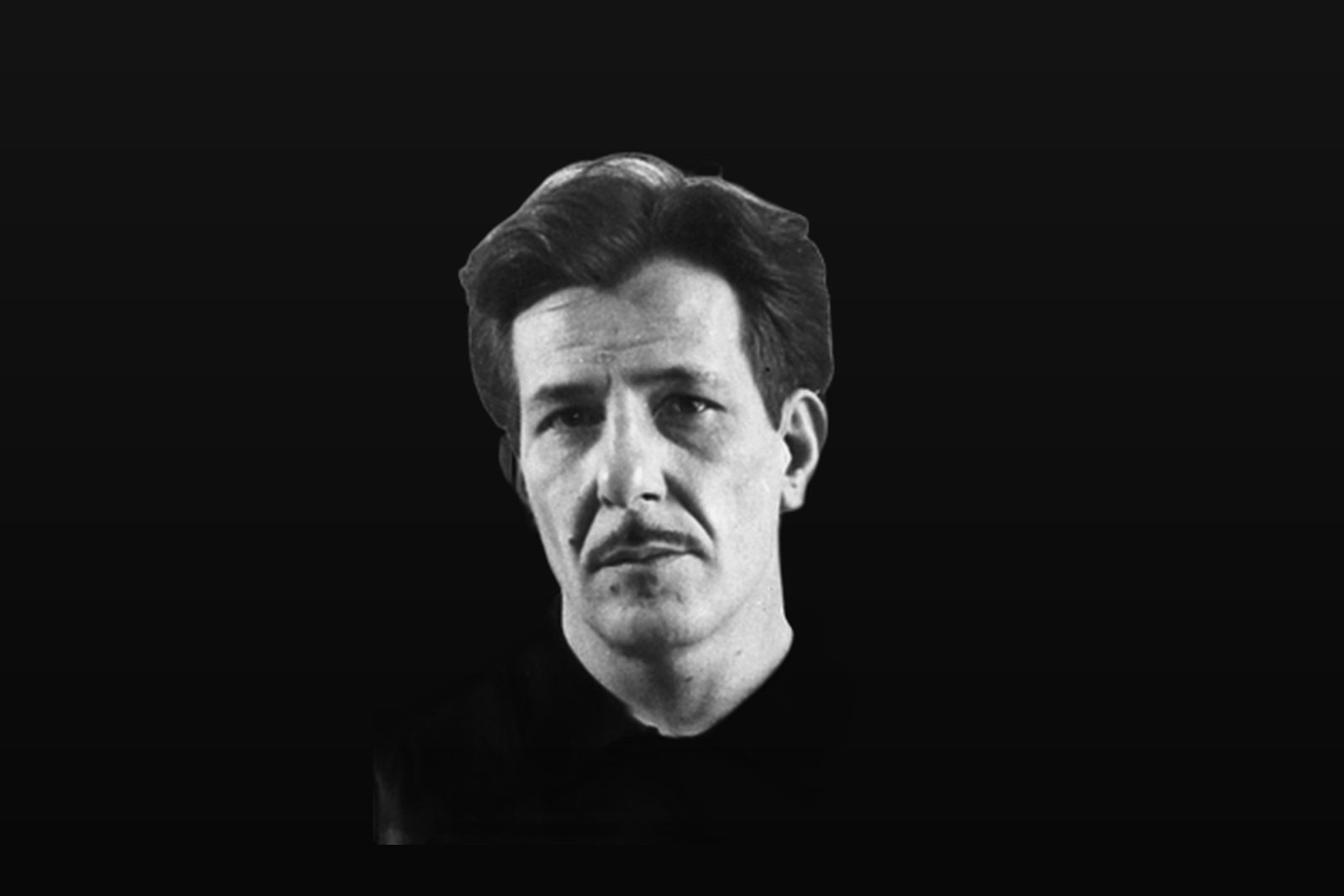
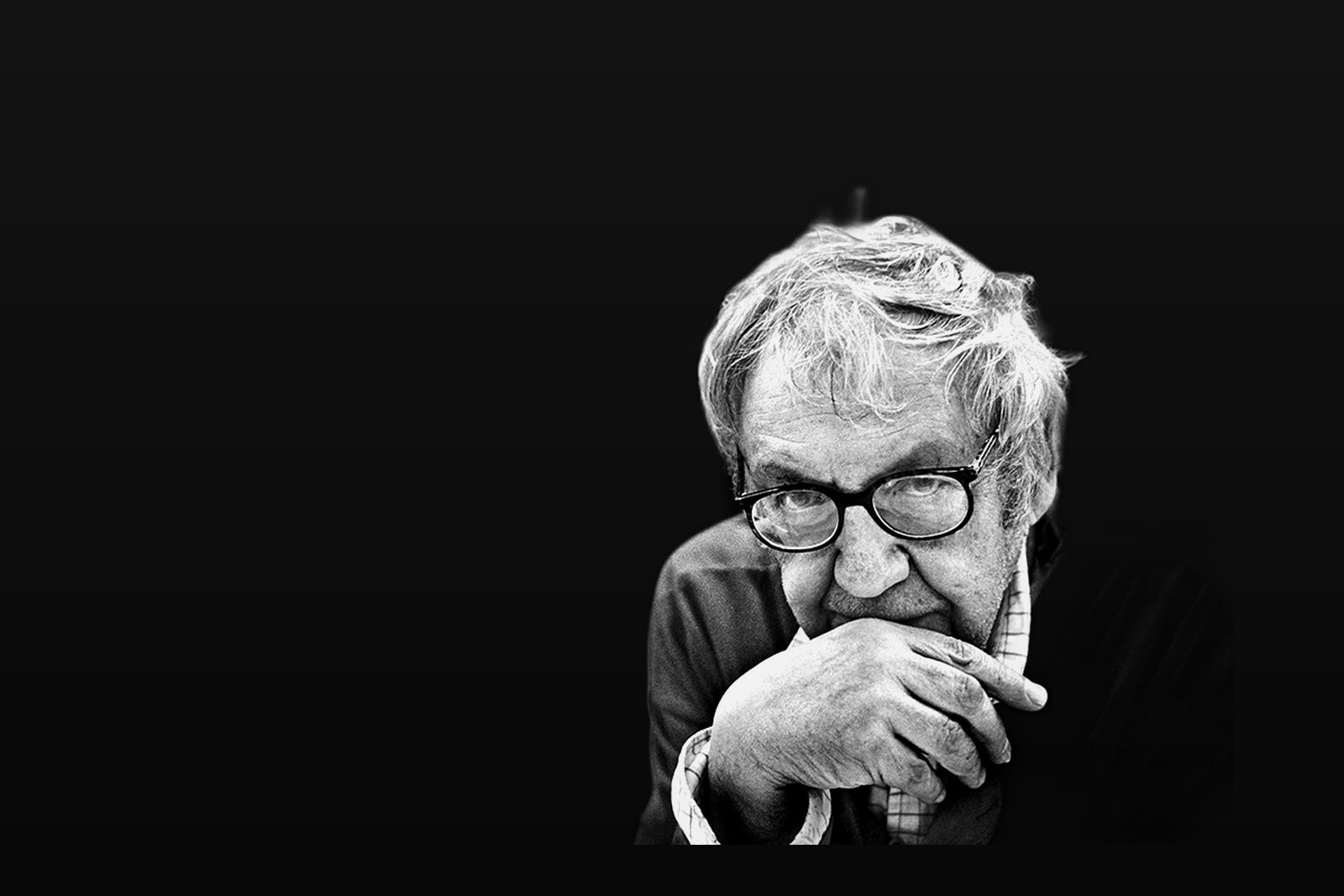
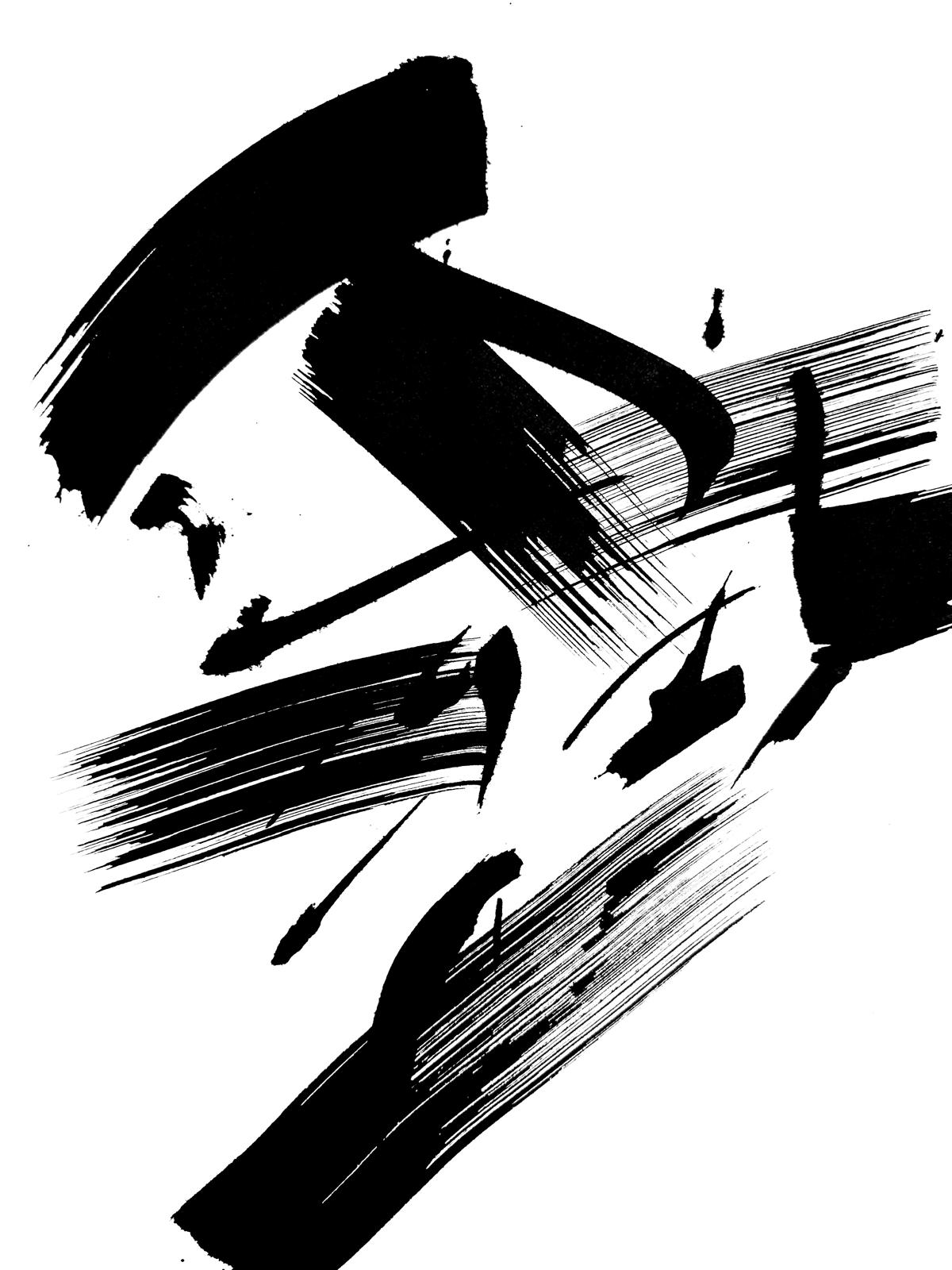
Second volume of the Lineages series. How Franz Kline's monumental calligraphies inform Coralie J Schmitt's structural acrylics.
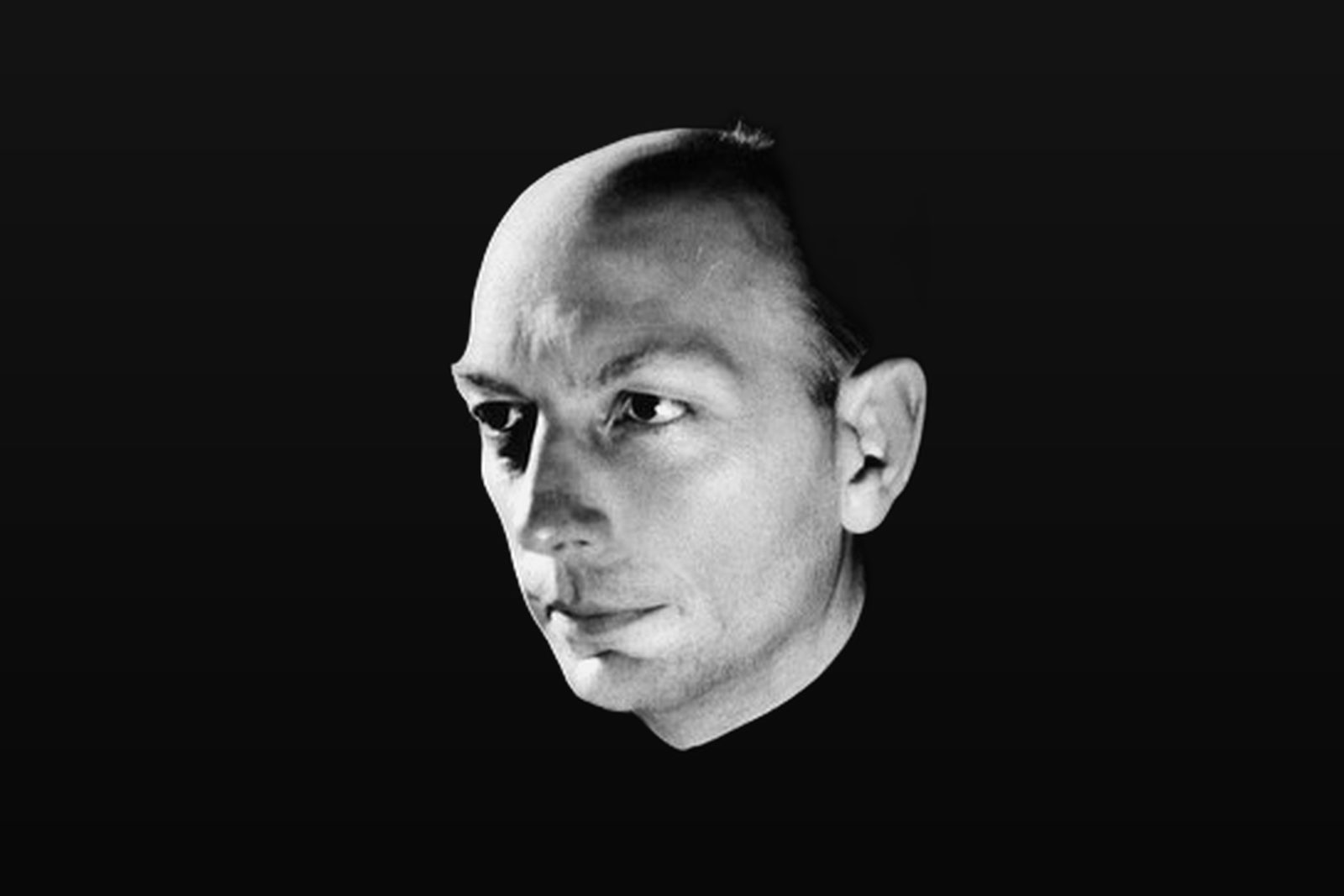
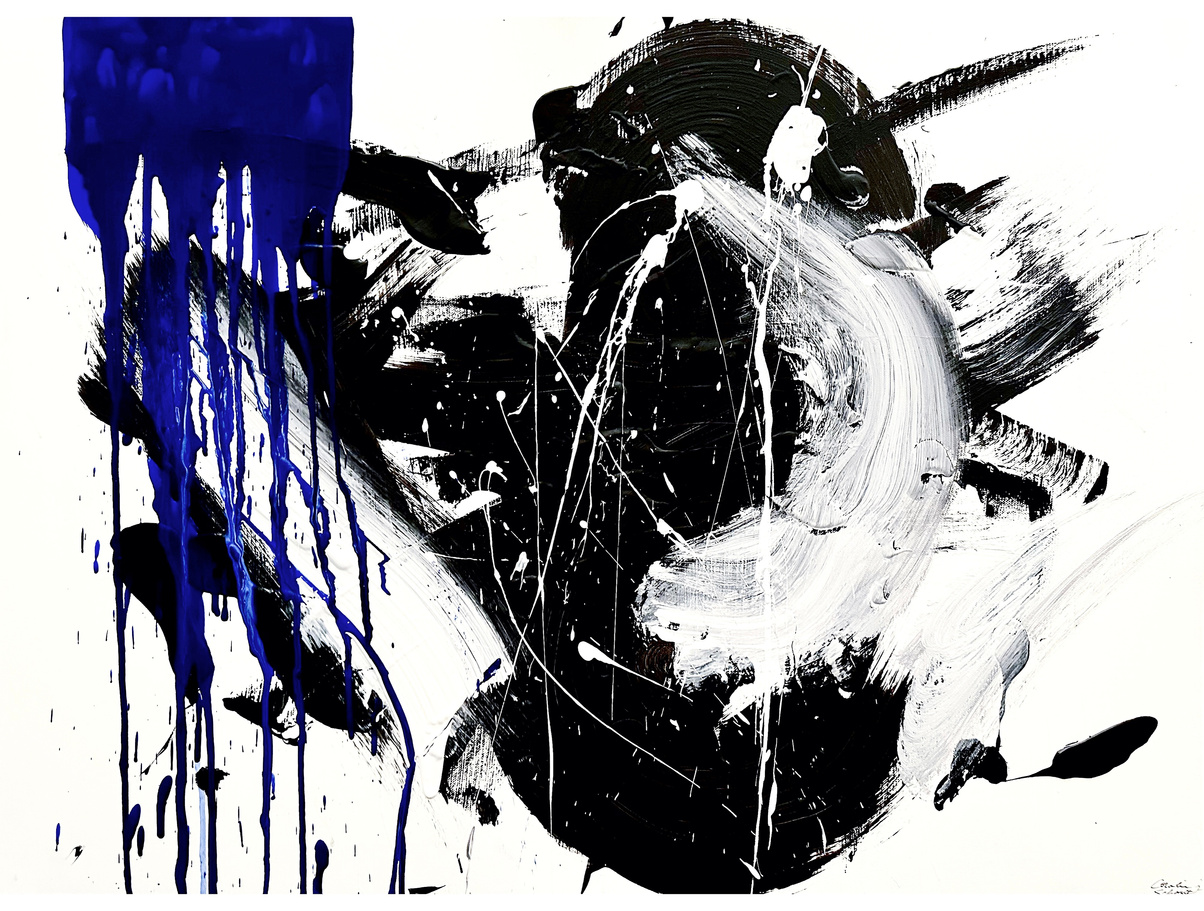
Sixth volume of the Lineages series. How Hans Hartung's lyrical abstraction illuminates Coralie J Schmitt's new acrylic series in 2026.
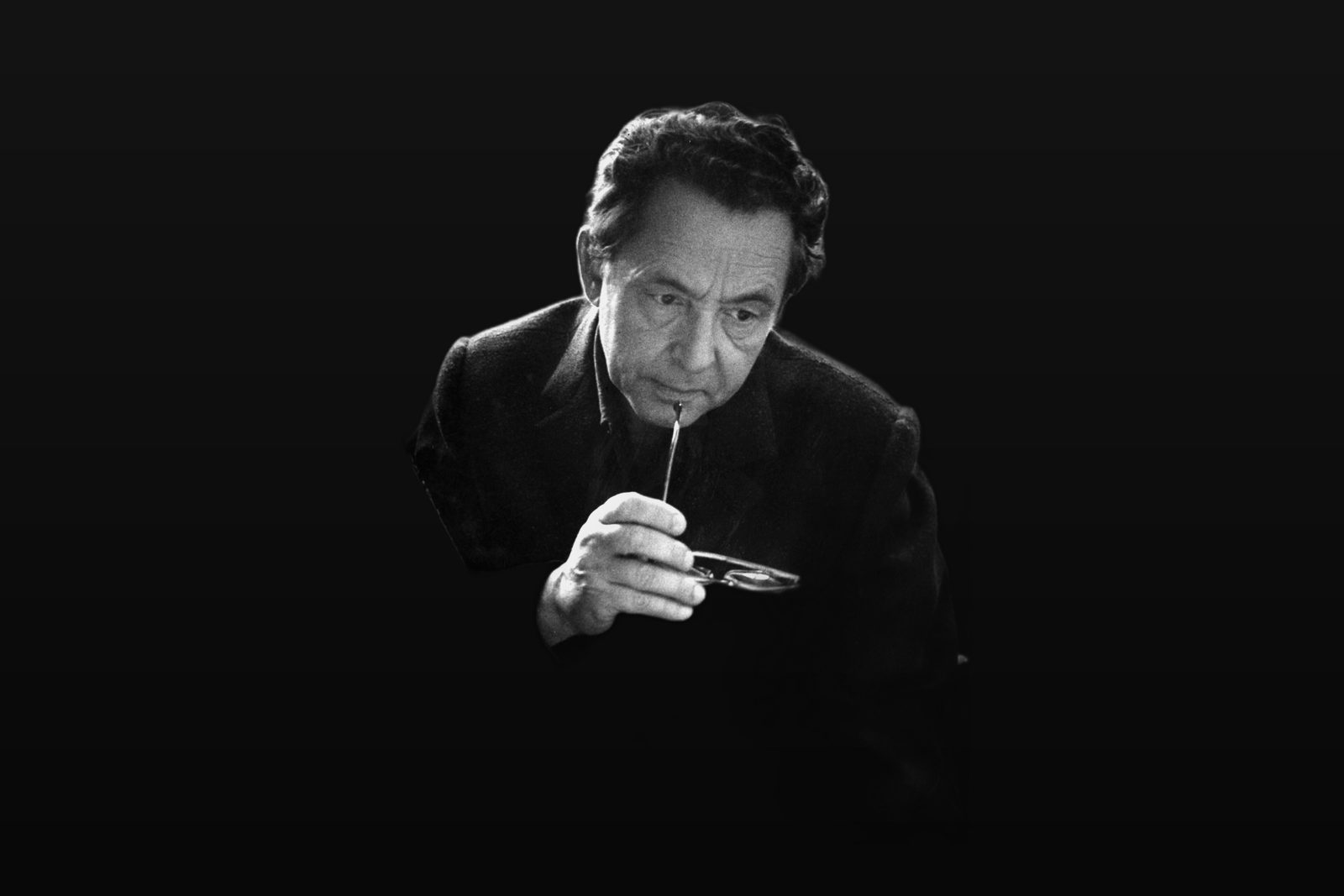
Third volume of the Lineages series. How Henri Michaux's Mouvements illuminate Coralie J Schmitt's ink practice: between drawing and writing, the gesture that thinks.
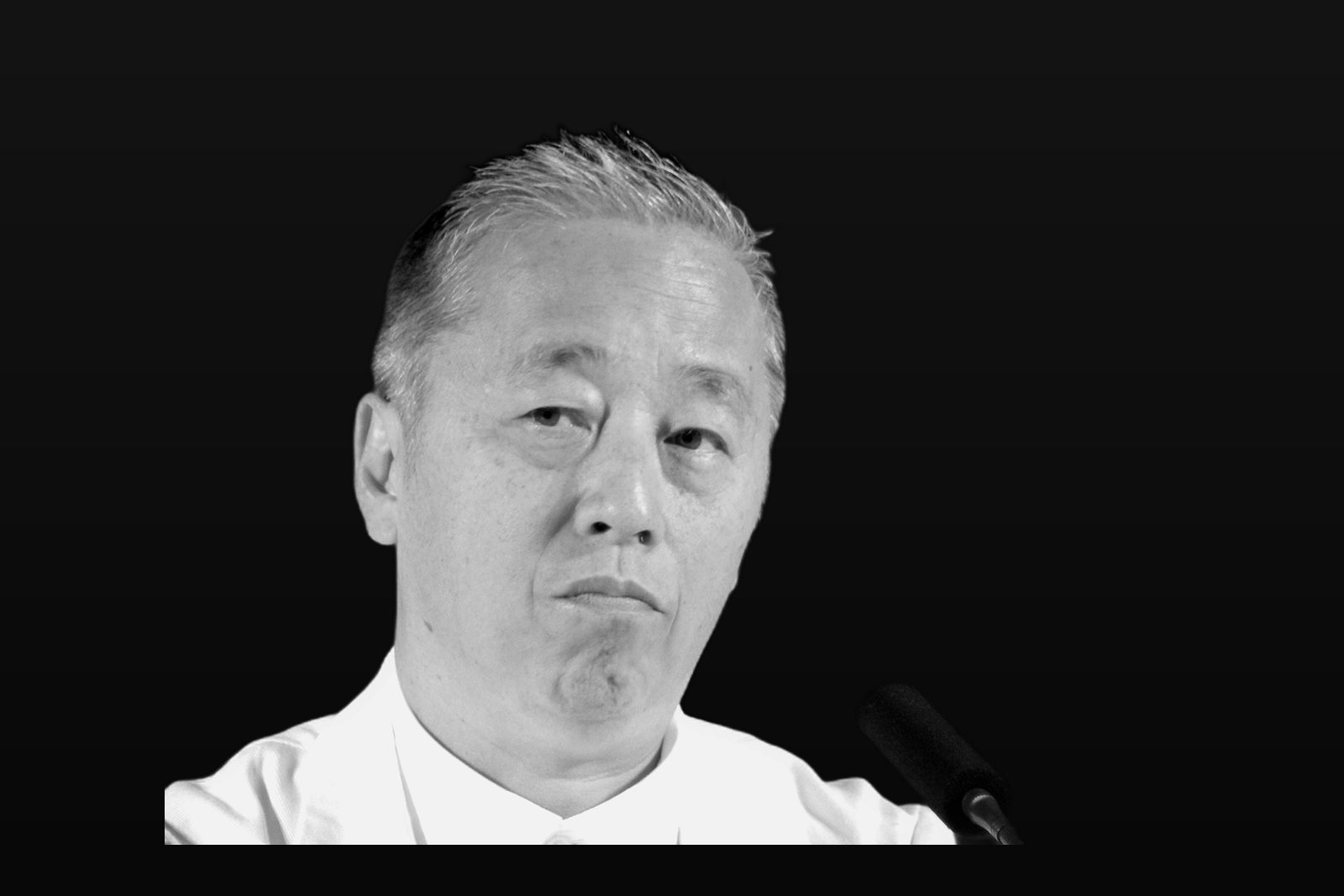
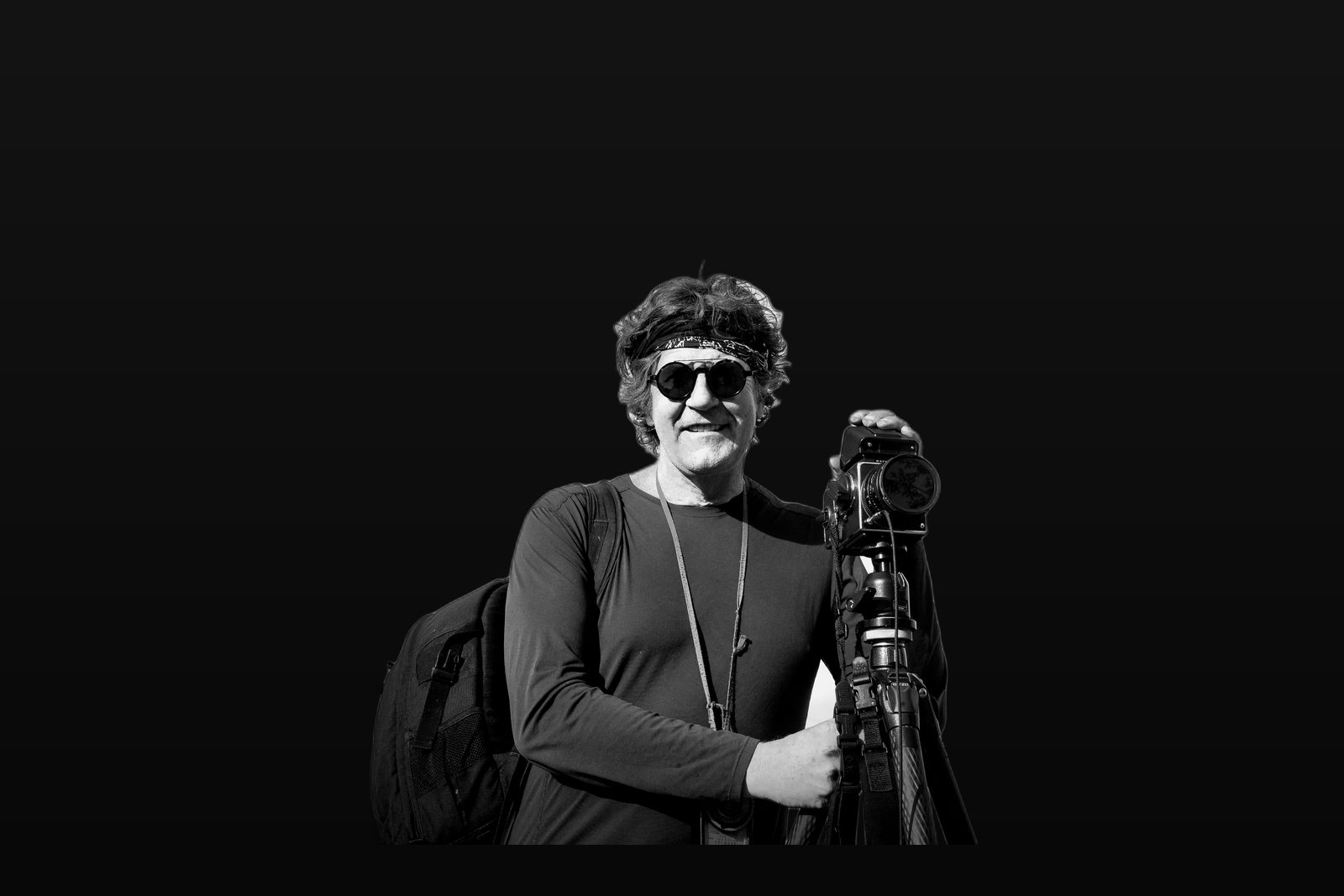
Fourth volume of the Lineages series. How Hiroshi Sugimoto's photographic work structures Coralie J Schmitt's practice of photography.
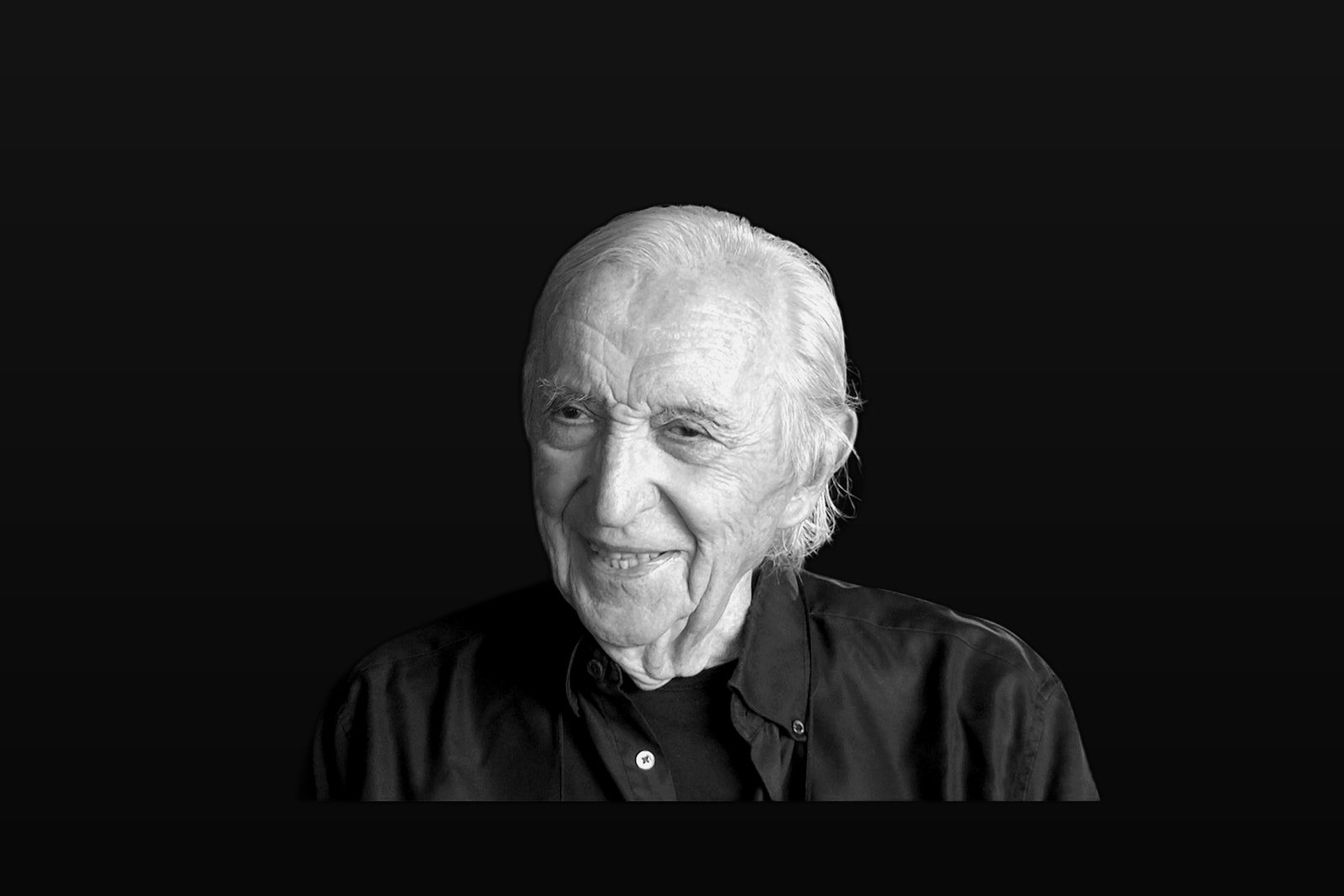
First volume of the Lineages series. How Pierre Soulages's outrenoir illuminates Coralie J Schmitt's practice: black as matter, not as absence.
Fifth volume of the Lineages series. How Michael Kenna's long-exposure landscapes inform Coralie J Schmitt's Roma per sempre series.
Seventh and final volume of the Lineages series. How Saul Leiter's monochrome photography informs Coralie J Schmitt's interior and urban work.
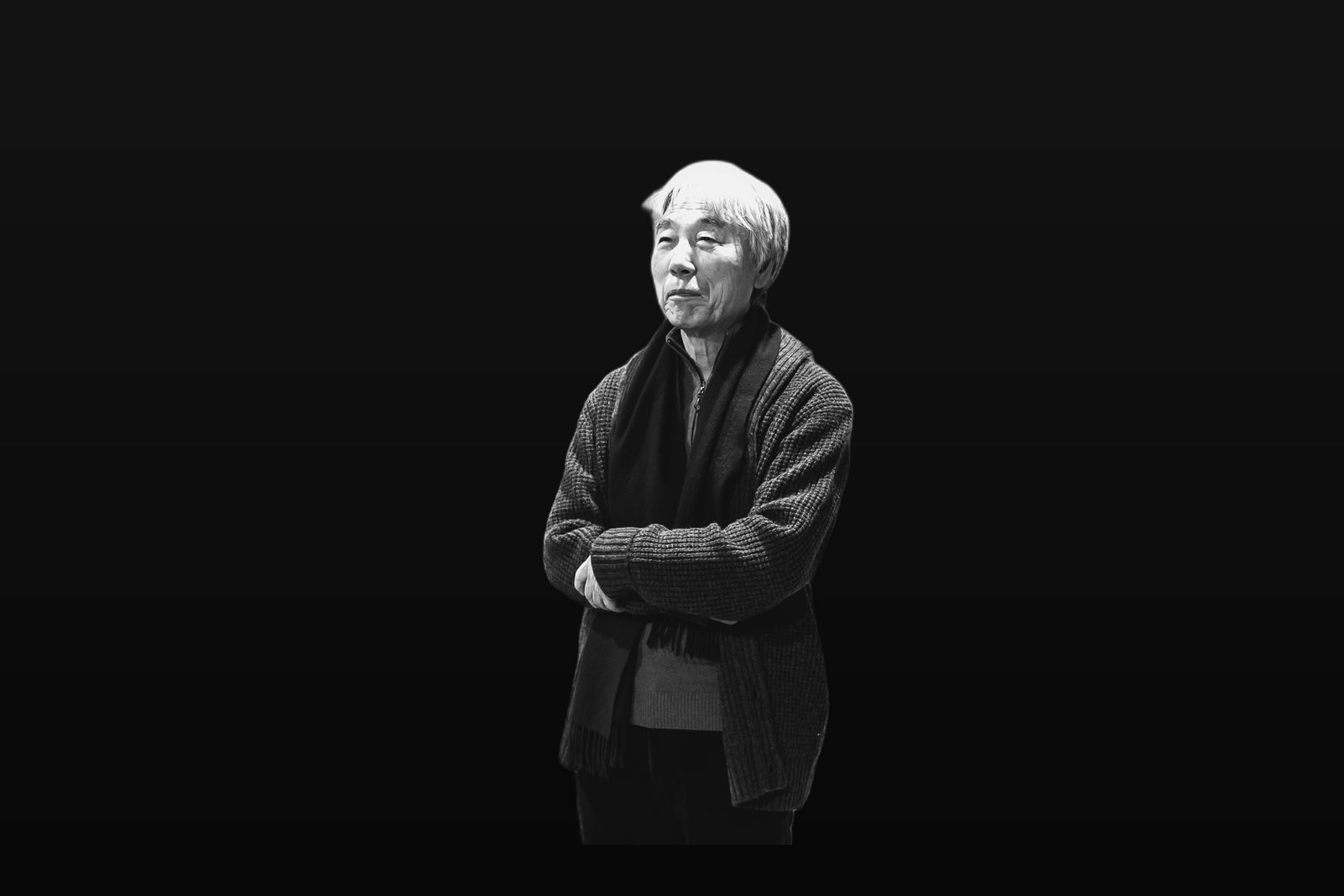
Lee Ufan's exhibition reveals how Korean minimal art transforms void into raw creative material. A masterful lesson on the power of the unpainted.
Coralie J Schmitt's acrylic painting between Kline, Hartung and Twombly. A reading of the RACINE(S) 2025 catalogue and the new 2026 pieces.
Ink as the matrix of Coralie J Schmitt's practice. A reading of the fifteen pieces of the corpus, alongside Soulages, Michaux, Kline and Far Eastern calligraphy.
Coralie J Schmitt's photographic practice alongside Hiroshi Sugimoto, Michael Kenna and Saul Leiter. A reading of black and white as withdrawal from the visible.
The first British retrospective of Beatriz González reveals how the Colombian artist transforms popular imagery into radical political resistance.
Hurvin Anderson's retrospective at Tate Britain reveals how the artist transforms colonial architecture into pictorial meditations on belonging and exile.
In Rome, three exhibitions reveal how Italian art transforms collective pain into subversive creation. An artistic geography of contemporary melancholy.
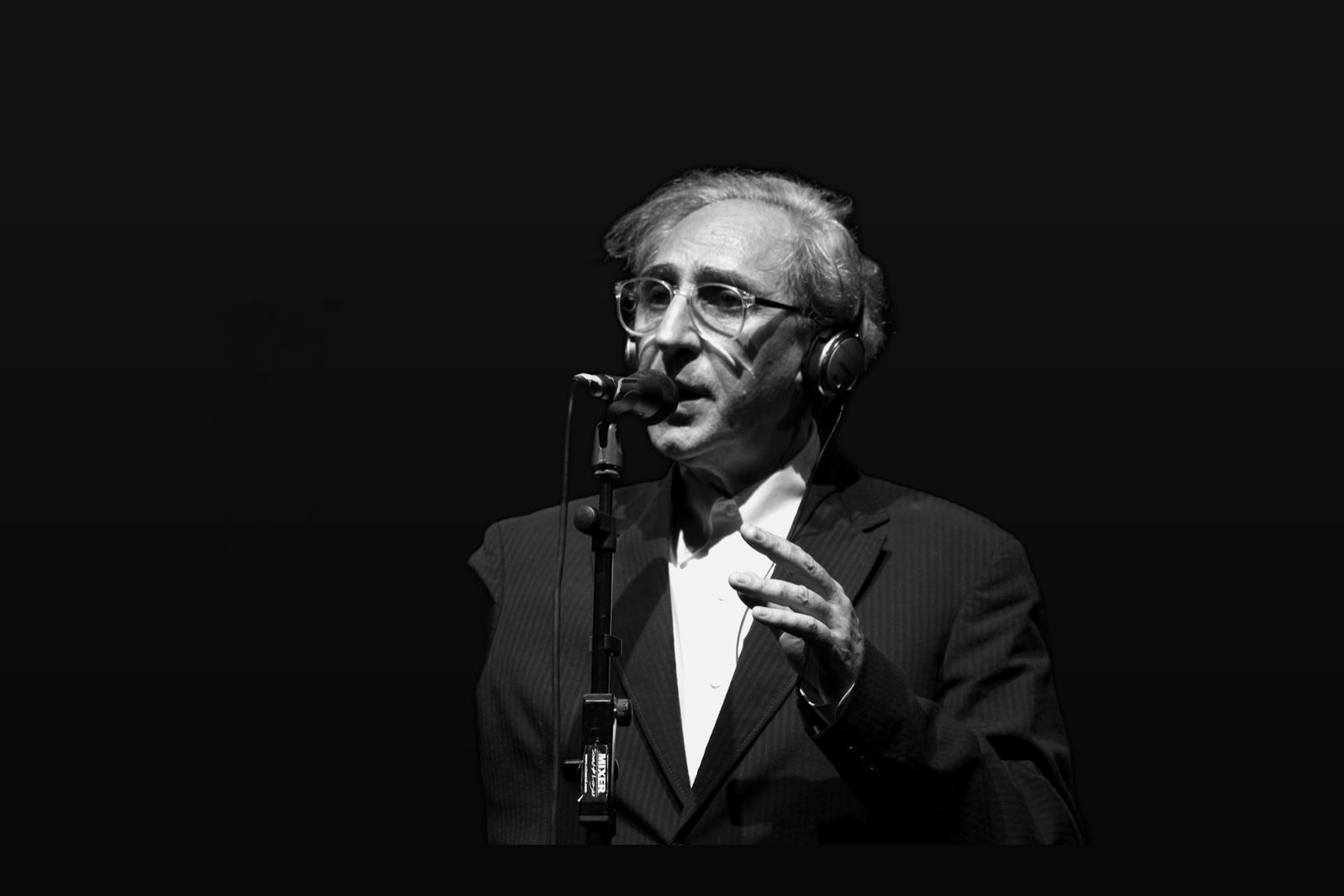
The MAXXI's immersive exhibition unveils Franco Battiato's little-known pictorial work, questioning creative transfers between music and painting.
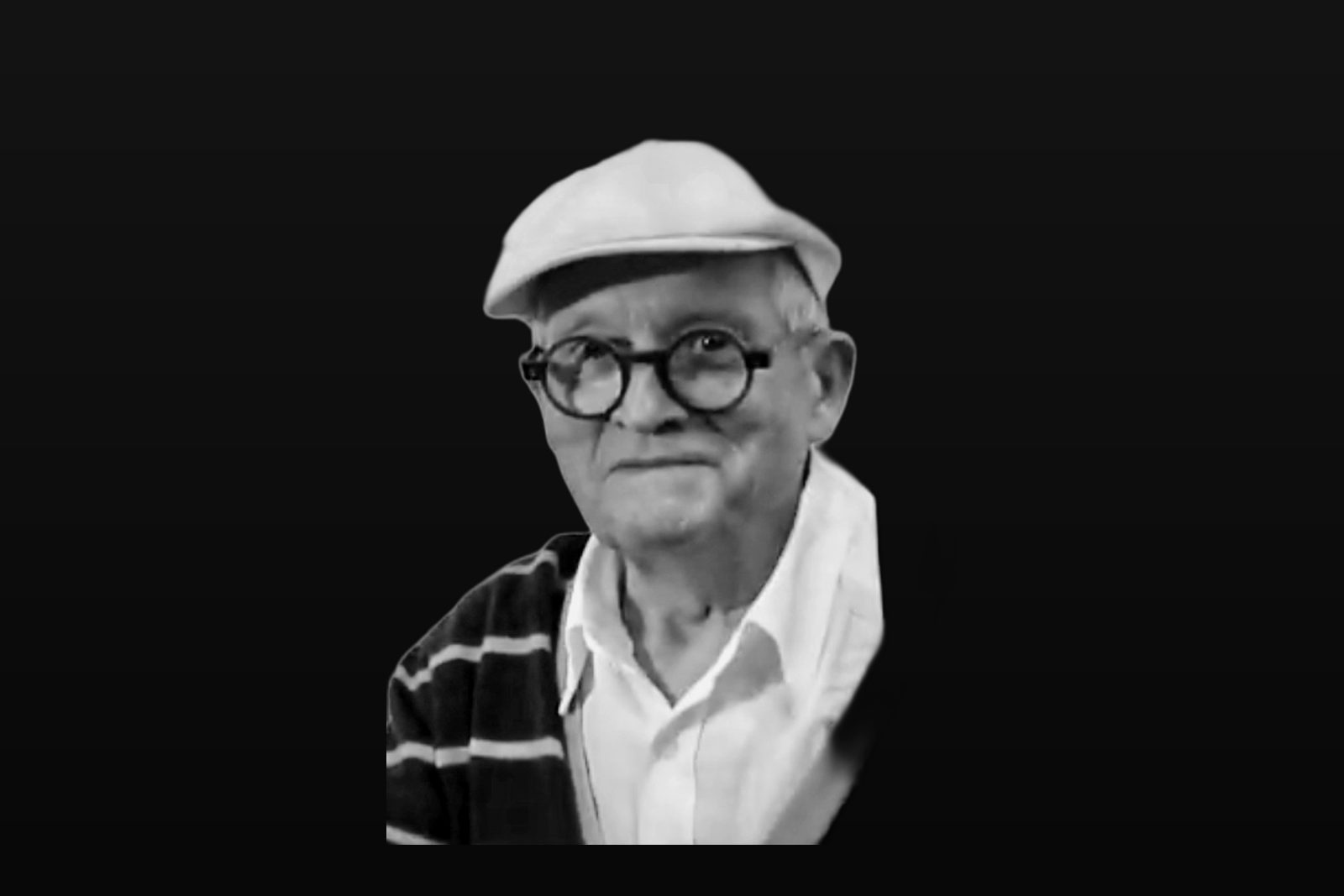
At 87, David Hockney unfolds a 90-meter frieze at the Serpentine Gallery that redefines our relationship with time and pictorial space.
The Nigerian Modernism exhibition reveals how Nigerian artists created their own modern language, redefining modernism as a global movement.
The free exhibition reveals how Mario Schifano invented a specifically Italian pop art, blending television, cinema, and Mediterranean gesture.
At the Serpentine, Cecily Brown reveals how she creates a dialogue between gestural abstraction and erotic figuration in painting that refuses to choose between Bacon and de Kooning.
Tracey Emin's retrospective at Tate Modern reveals how the British artist transformed her intimate wounds into universal creative force.
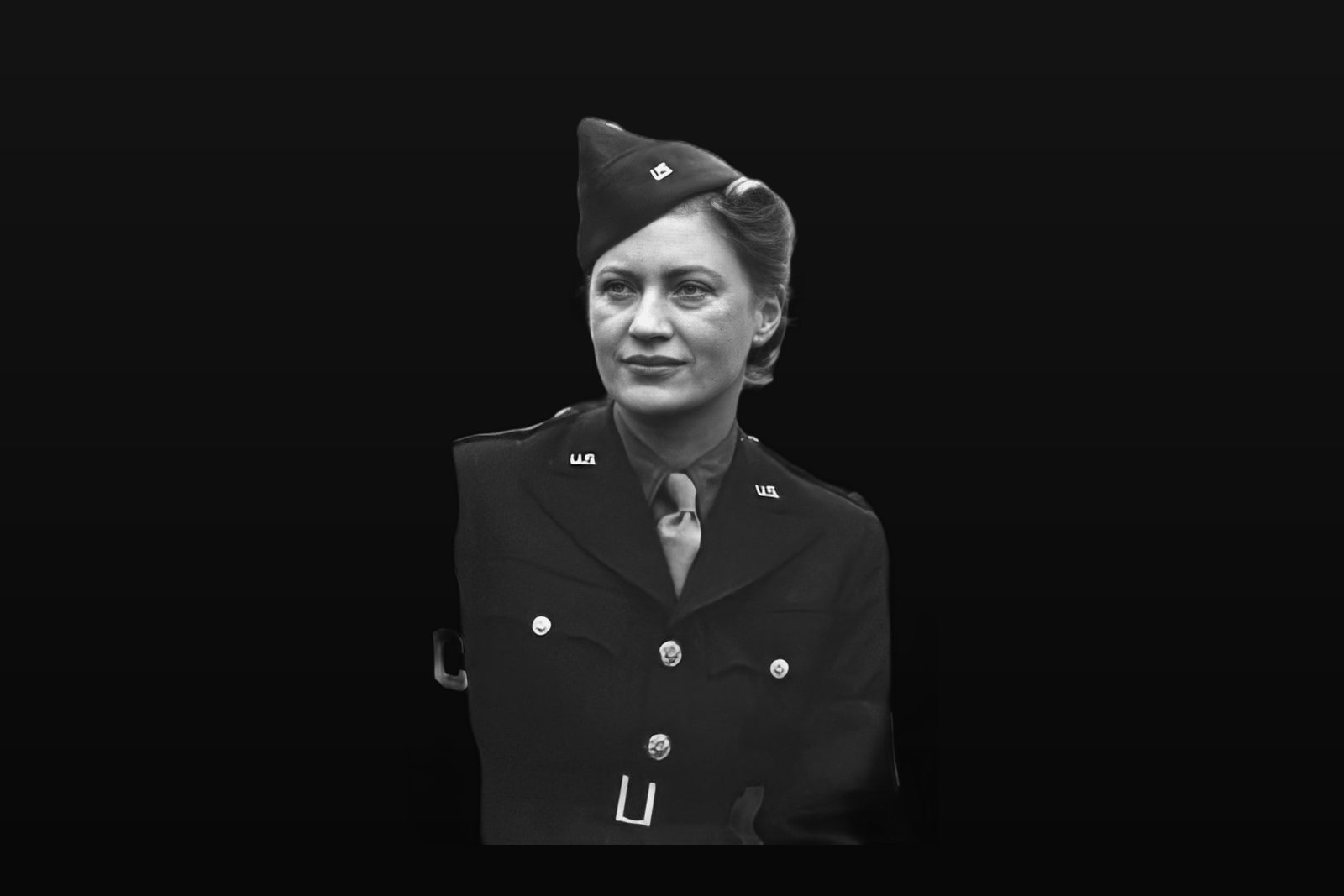
The Paris Museum of Modern Art exhibition reveals how Lee Miller transformed the horror of war into radical artistic language, from surrealism to testimony.
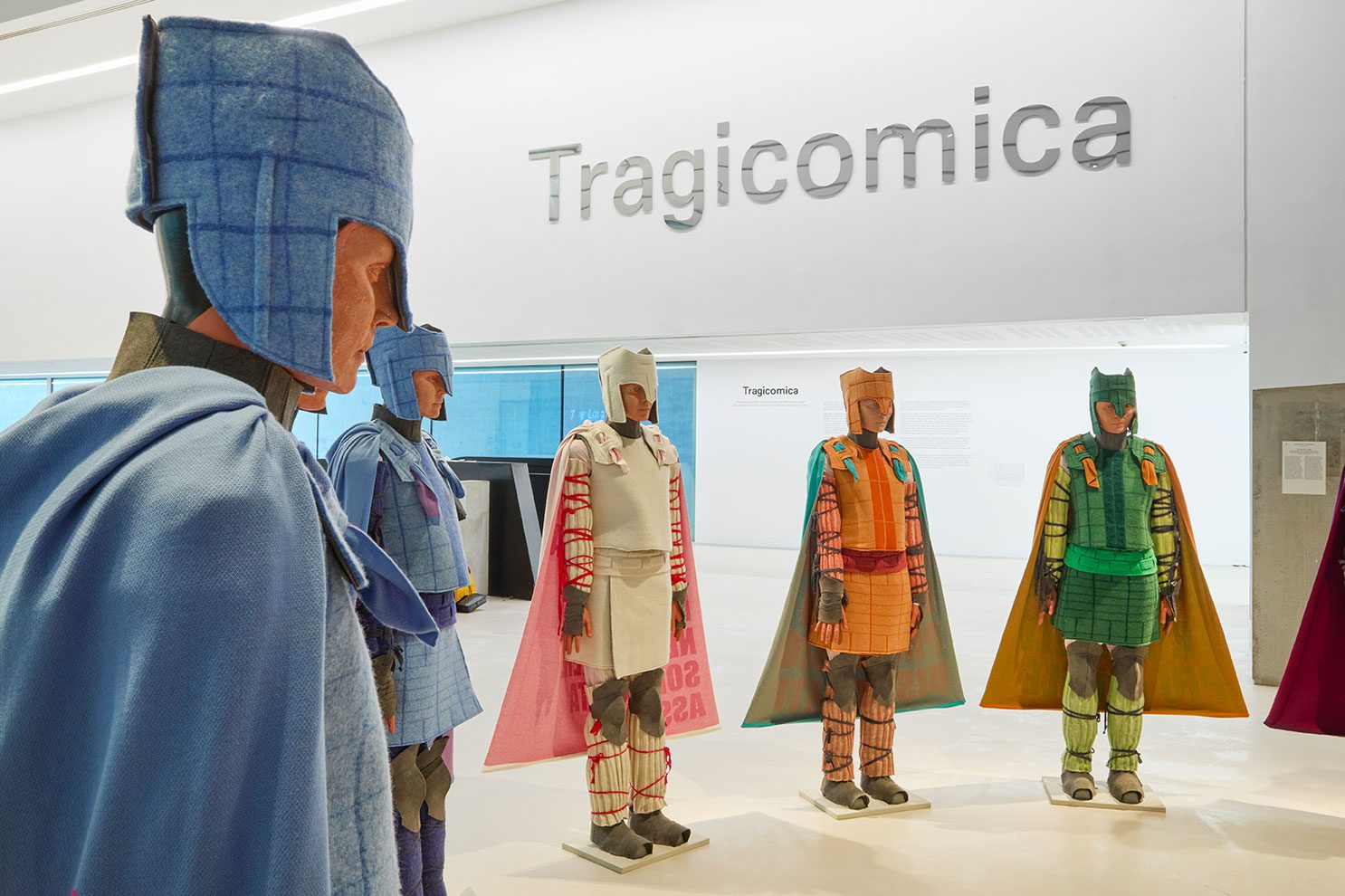
At MAXXI Rome, 140 Italian artists reveal how the post-war era gave birth to a unique artistic language, blending tragedy and comedy in an unprecedented creative impulse.
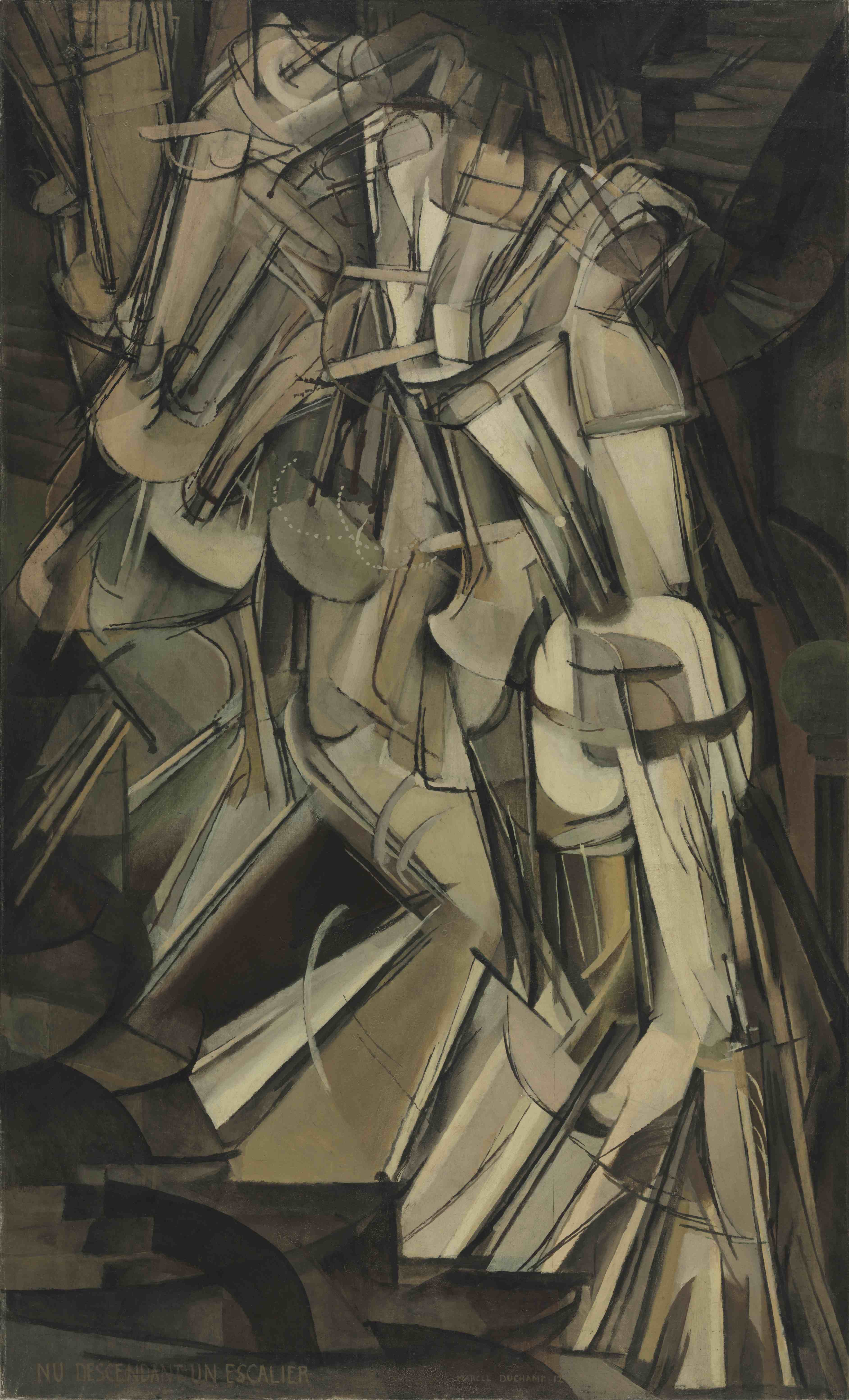
MoMA stages its first American retrospective of Marcel Duchamp since 1973. Chronicle of a landmark exhibition that redefines the ready-made.
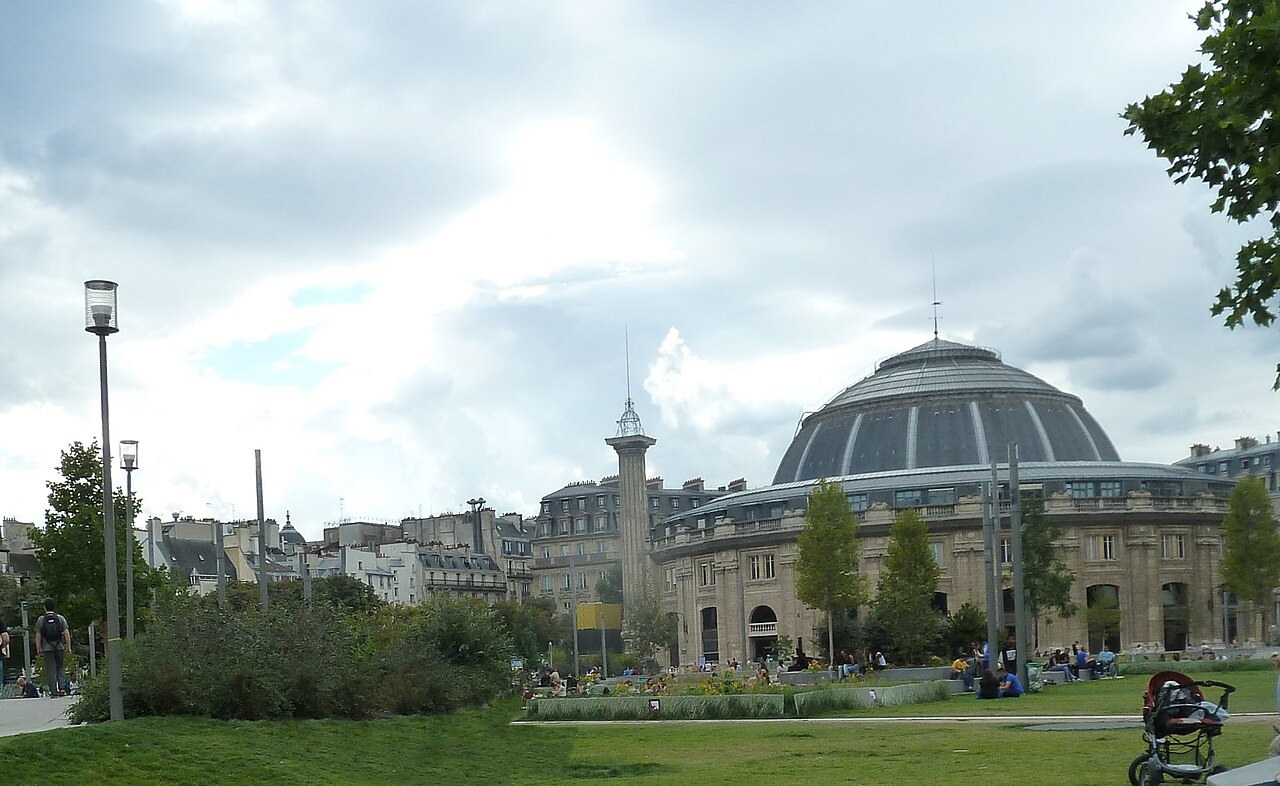
At the Bourse de Commerce, Francois Pinault brings together Giacometti, Dubuffet, Nauman and Tillmans in a dialogue on chiaroscuro. An intimate visit.
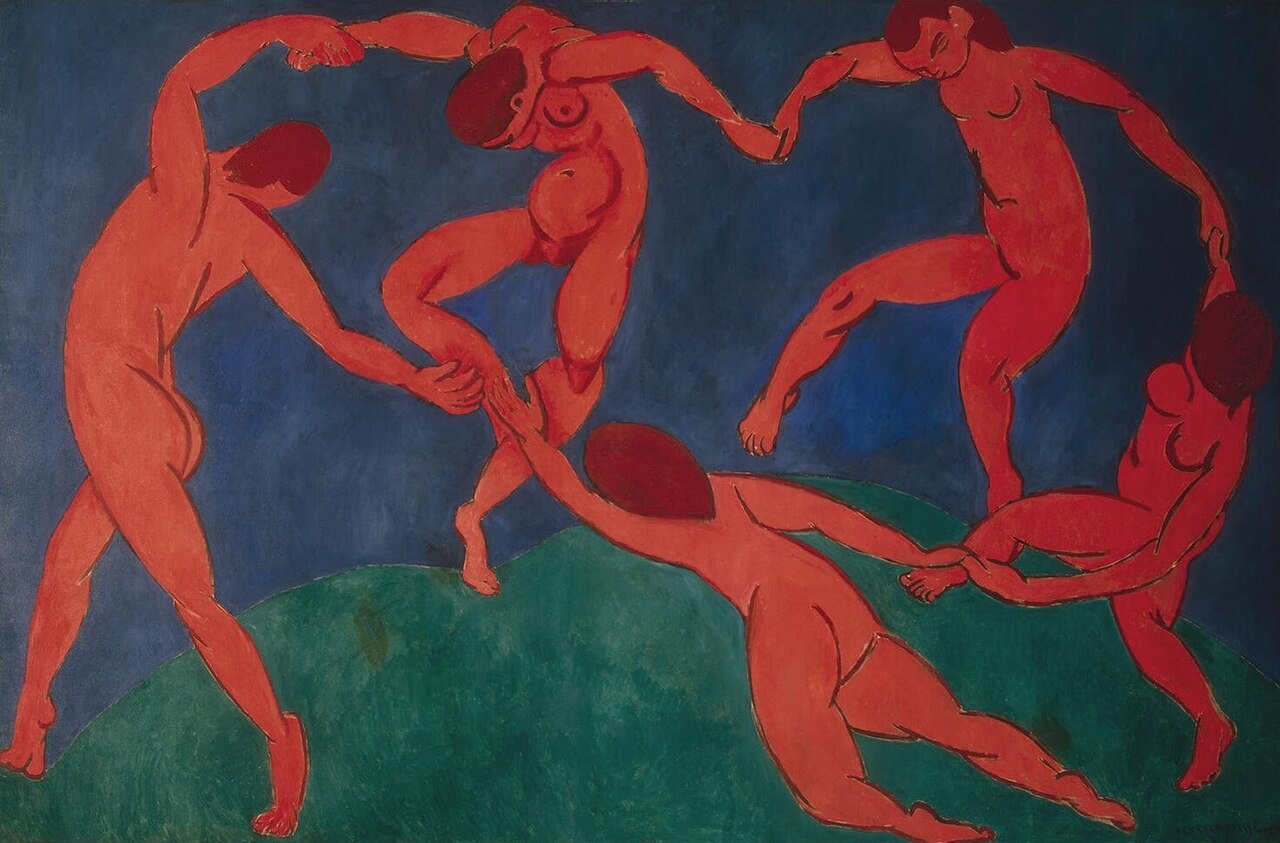
The exhibition Matisse 1941-1954 at the Grand Palais reveals how a man immobilised by illness found in the gouaches decoupees an entirely new form of absolute freedom.
Ways of Seeing changed how we look at art. Over fifty years later, John Berger's lessons remain strikingly relevant for anyone who paints today.
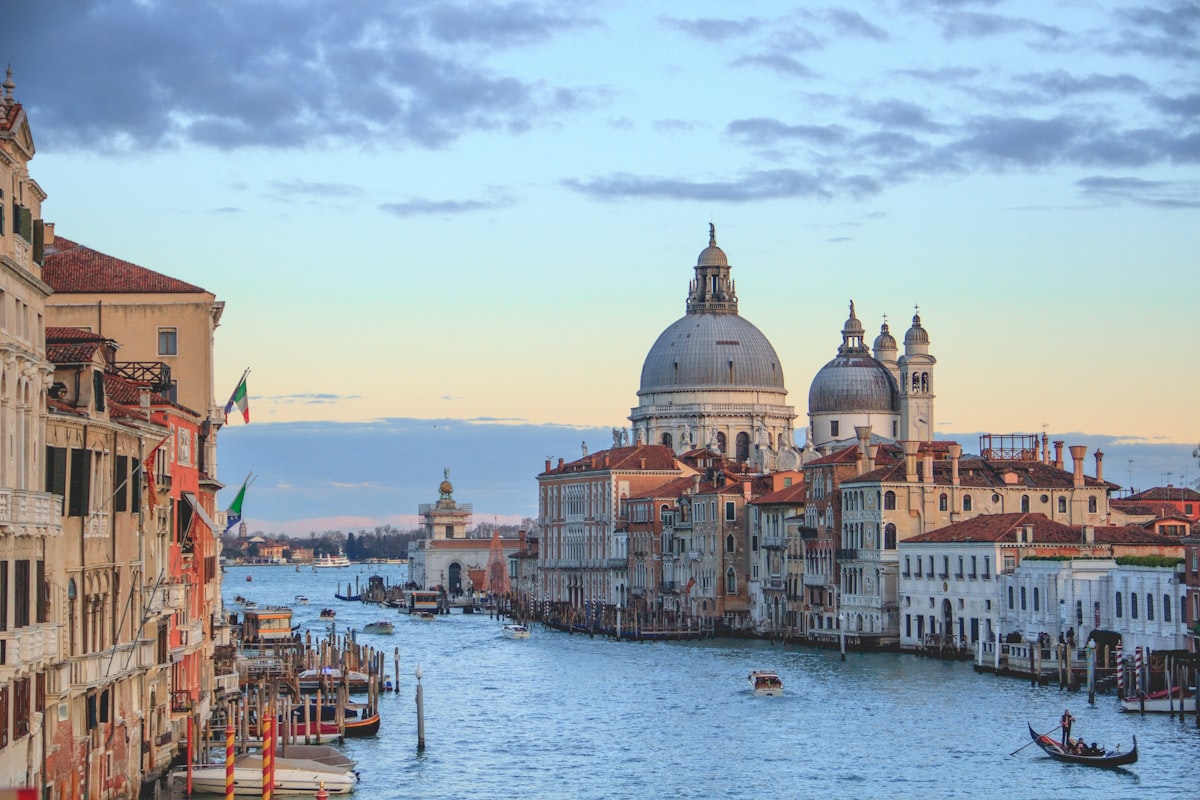
The 2026 Venice Biennale, curated by Koyo Kouoh posthumously, is shaping up to be a turning point. 111 artists, the first African woman curator, and a title that says it all.
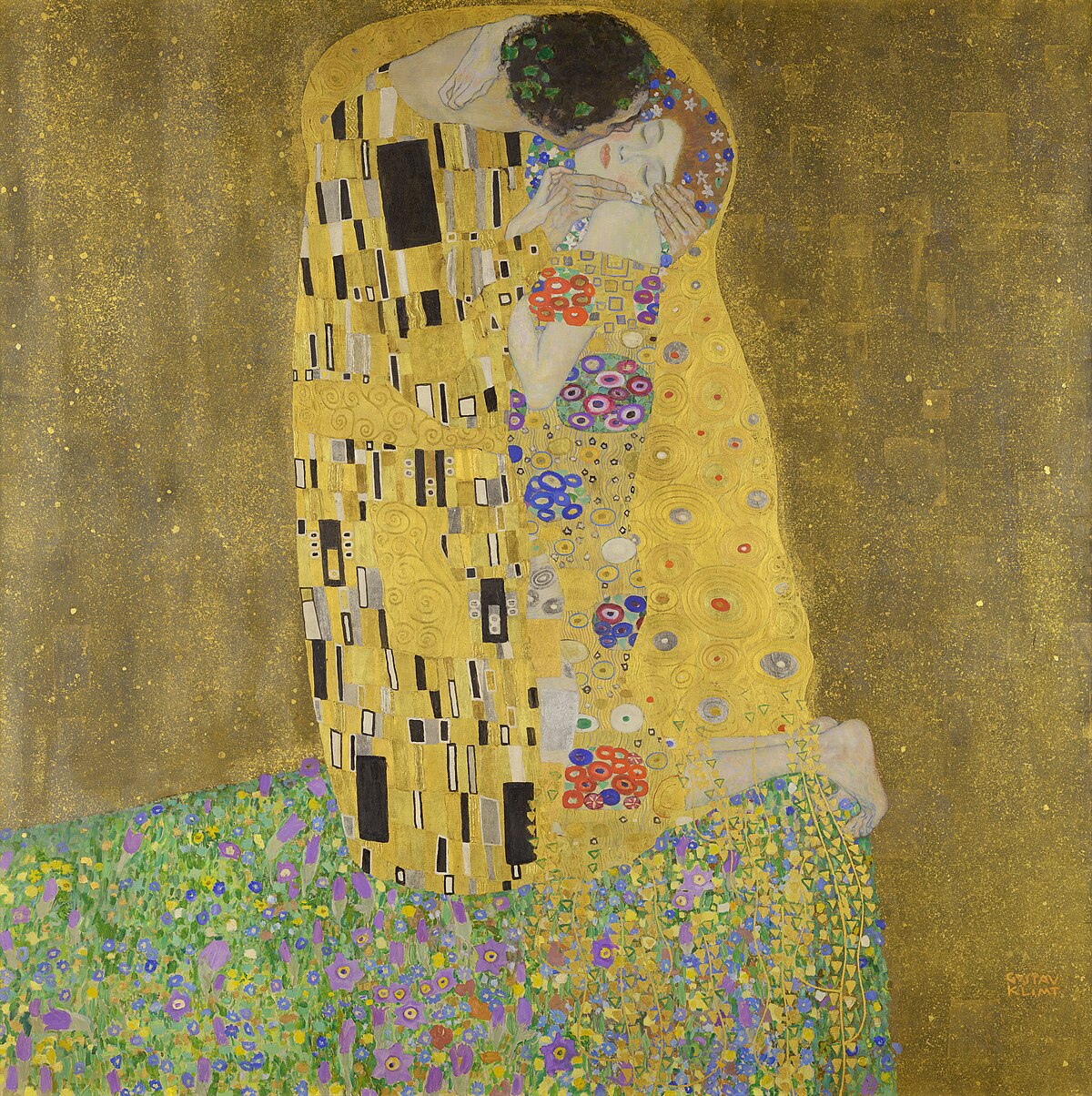
The Palazzo delle Esposizioni hosts the largest Klimt exhibition ever organised in Italy. 180 works that trace the revolution of the Viennese Secession.
Stay inspired
Be the first to discover new works, exhibitions and news.