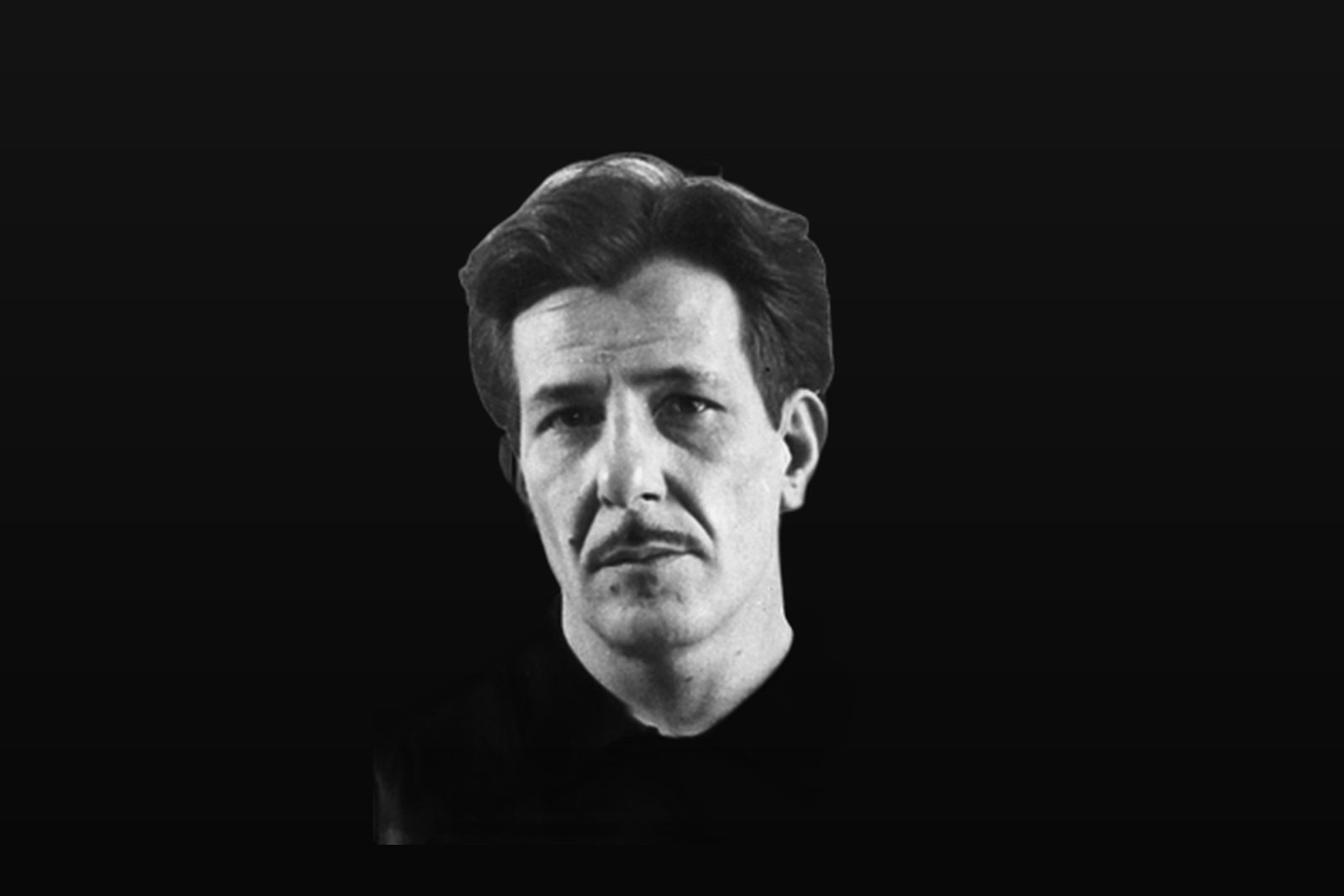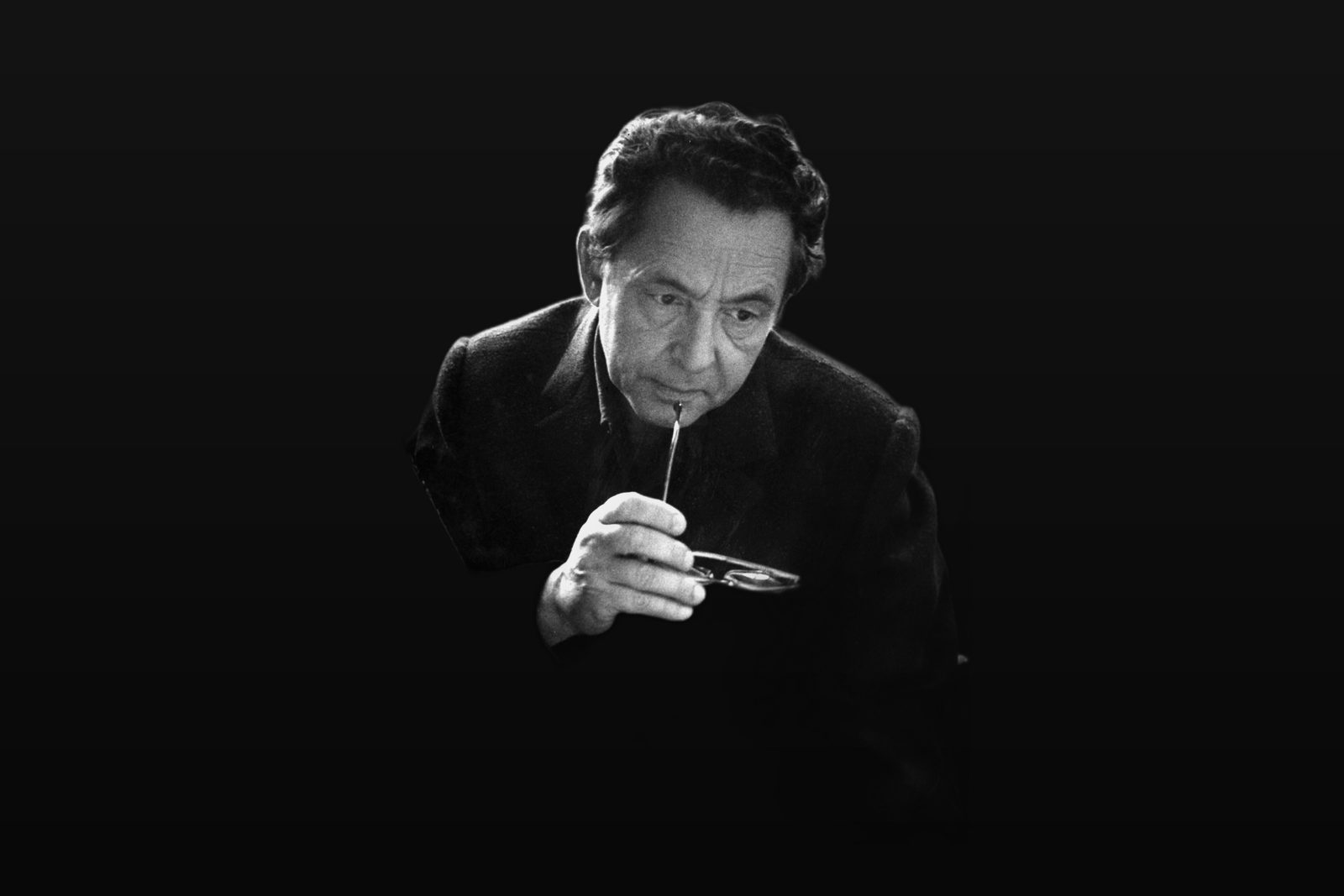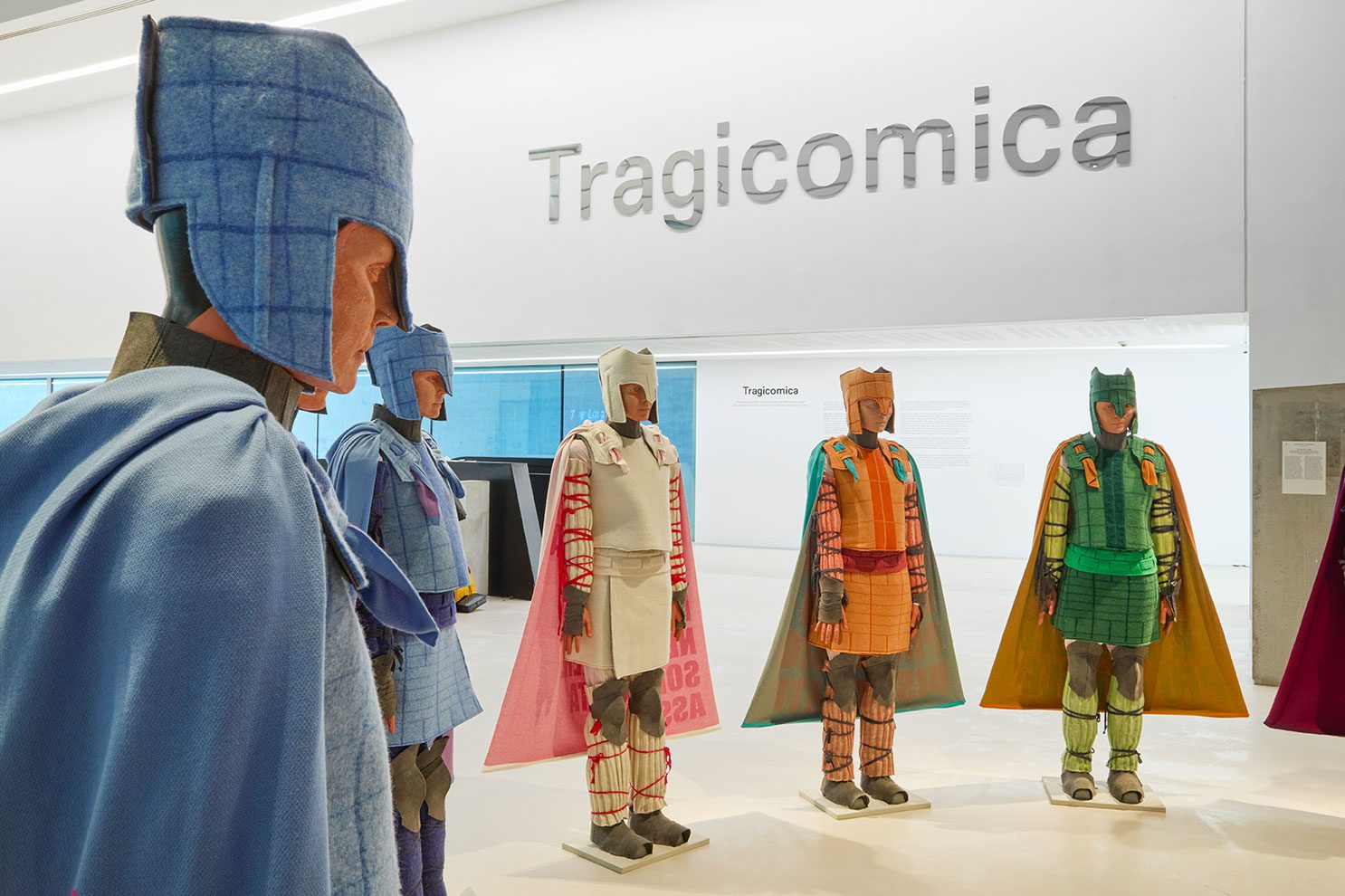
There are laughs that are born from dried tears. At MAXXI in Rome, the exhibition Tragicomic unveils this particular alchemy that post-war Italy mastered better than anyone: transforming collective pain into creative force, national tragedy into universal comedy. One hundred and forty artists bear witness to this extraordinary metamorphosis. More than an exhibition, it’s a masterful lesson on art’s capacity to sublimate History.
The Invention of a Language
The ruins were still smoldering when Alberto Burri began burning his canvases. 1948, 1950, the dates crack like muffled detonations. The former military doctor, prisoner of war in Texas, returns to a disfigured Italy and invents a plastic vocabulary of unprecedented radicalism. His Sacchi, these burlap sacks patched, sewn, sometimes burned, don’t tell the story of war: they digest it, transform it into raw beauty.
A few panels away, Piero Manzoni responds with the fiercest irony. His Merda d’artista, officially stamped tin cans, date from 1961. Fifteen years after Burri, pain has transformed into derision. Manzoni no longer heals wounds: he sneers at art itself, at its pretensions, at its emerging market. Trauma has become critical spirit.
This is the trajectory that Tragicomic traces with remarkable intelligence. Not a succession of works, but the evolution of a collective consciousness that refuses to pity itself and chooses art as an outlet.
Comedy as Resistance
Maurizio Cattelan appears in this genealogy as the natural heir to this tradition. His kneeling Hitler, his Pope crushed by a meteorite, his horses suspended from the ceiling: so many provocations that draw from this same Italian reservoir, this capacity to laugh at what hurts. Comedy becomes resistance, black humor becomes catharsis.
The exhibition reveals the ramifications of this approach. Mario Schifano paints his Coca-Colas and advertising signs with the same ironic distance that his predecessors wielded toward tragedy. Alighiero Boetti embroiders his world maps while borders are redrawn in blood. Each invents their own method for digesting the indigestible.
This lineage crosses decades without losing its relevance. Faced with new tragedies, terrorism, migration crisis, pandemic, Italian artists still draw from this same cultural foundation: the capacity to transform ordeal into work, drama into grating comedy.
The Irreversibility of the Gesture
In this Italian capacity to transcend pain through art, there is something that resonates strangely with the irreversible gesture of ink on paper. Burri burning his canvases, Manzoni signing his tin cans, Cattelan crucifying his puppets: all assume the irreversibility of their creative act. No possible repentance, no turning back.
This radicalism of gesture finds its counterpart in the choice of absolute black and white. As if color were still too close to life, too consoling. Drama demands pure contrast, maximum tension between light and darkness. Burri’s Cretti, these white cracks on black background, say more about Italy’s reconstruction than all the political speeches of the era.
The MAXXI exhibition shows that this aesthetic of the irreversible traverses all Italian contemporary creation. From Jannis Kounellis and his live horses in a Roman gallery in 1969 to Michelangelo Pistoletto and his broken mirrors, the same urgency crosses generations: that of the definitive act, the gesture that commits.
The Persistence of Creative Trauma
Seventy years after the end of the war, Italian art continues to draw from this paradoxical source: trauma as creative engine. The young artists presented in Tragicomic, Alice Ronchi, Diego Marcon, Margherita Morgantin, inherit this tradition without copying it. They invent their own modalities for transforming contemporary pain.
The strength of this exhibition lies in its capacity to show not an artistic school but a national temperament. An Italian way of approaching art as collective therapy, as public digestion of the private. This approach extends far beyond national borders: it questions our universal relationship to suffering and its sublimation.
The MAXXI’s journey thus reveals how Italy invented, unknowingly, one of the most effective responses to the traumatic 20th century: neither denial nor complacency, but transformation. Art as alchemy, creation as metabolism of History.
Contemporary Echo
Today, as crises accumulate and collective traumas multiply, this Italian lesson resonates with particular acuity. Tragicomic proposes no nostalgia but an instruction manual. How to transform stupefaction into creation, powerlessness into work.
This exhibition also reveals the specificity of the Italian relationship to art: less contemplative than active, less aestheticizing than therapeutic. Art becomes a tool for collective survival, a method for digesting the indigestible. A lesson that our contemporary societies, confronted with their own traumas, would do well to meditate on.
The genius of these Italian artists lies in their refusal to choose between laughing and crying. They understood, before psychoanalysis and neuroscience, that the two were inseparable. That comedy is often born from tragedy, and that this birth perhaps constitutes the most creative act possible. Tragicomic demonstrates this masterfully: post-war Italian art didn’t just survive trauma. It made it its fuel.