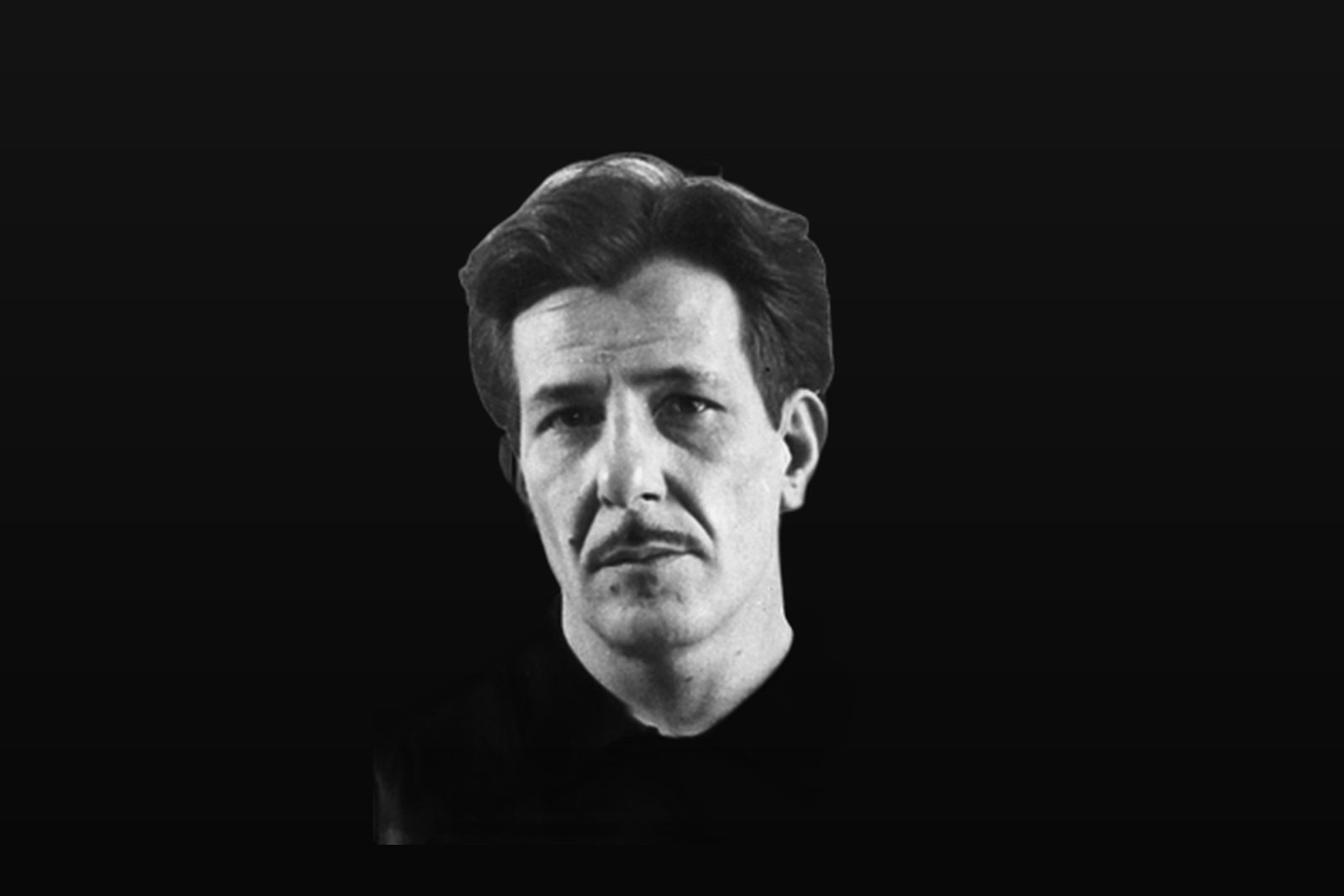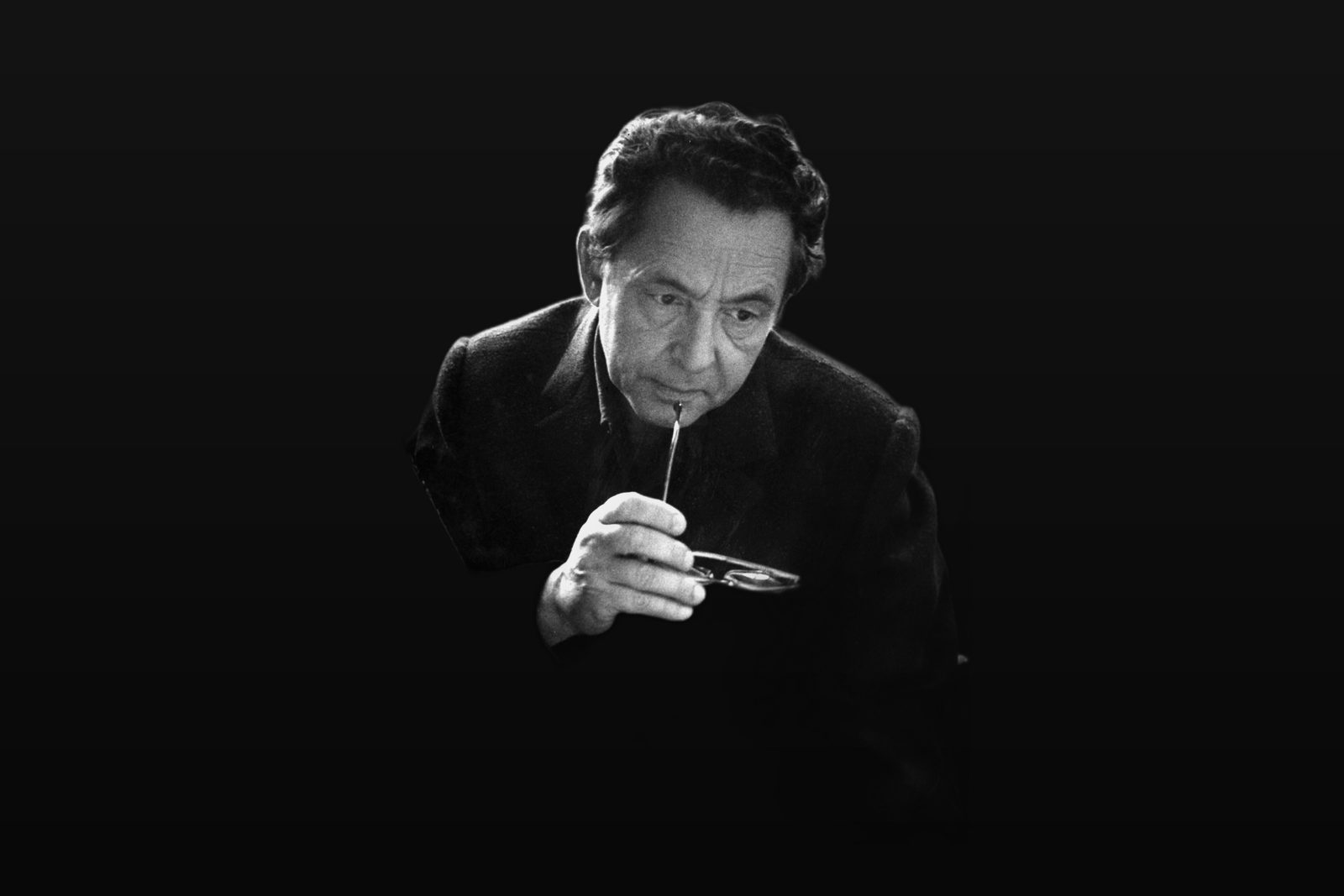
Some returns feel like silent detonations. Marcel Duchamp comes back to New York on April 12, and MoMA is unfolding three hundred works for what stands as the first American retrospective devoted to the artist since 1973. Over half a century. The time it takes, apparently, for the institution to dare once more to look squarely at the man who blew it up from within.
Duchamp was never a comfortable artist. He is the one who placed a urinal on a pedestal and asked the art world to explain itself. Fountain, 1917. A gesture of elegant brutality that still reverberates through every studio, every gallery, every conversation where we still wonder what separates art from everything else. Duchamp’s answer fit in a single word: nothing. Or rather: the gaze. The choice. The decision to designate.
The Span of an Oblique Life
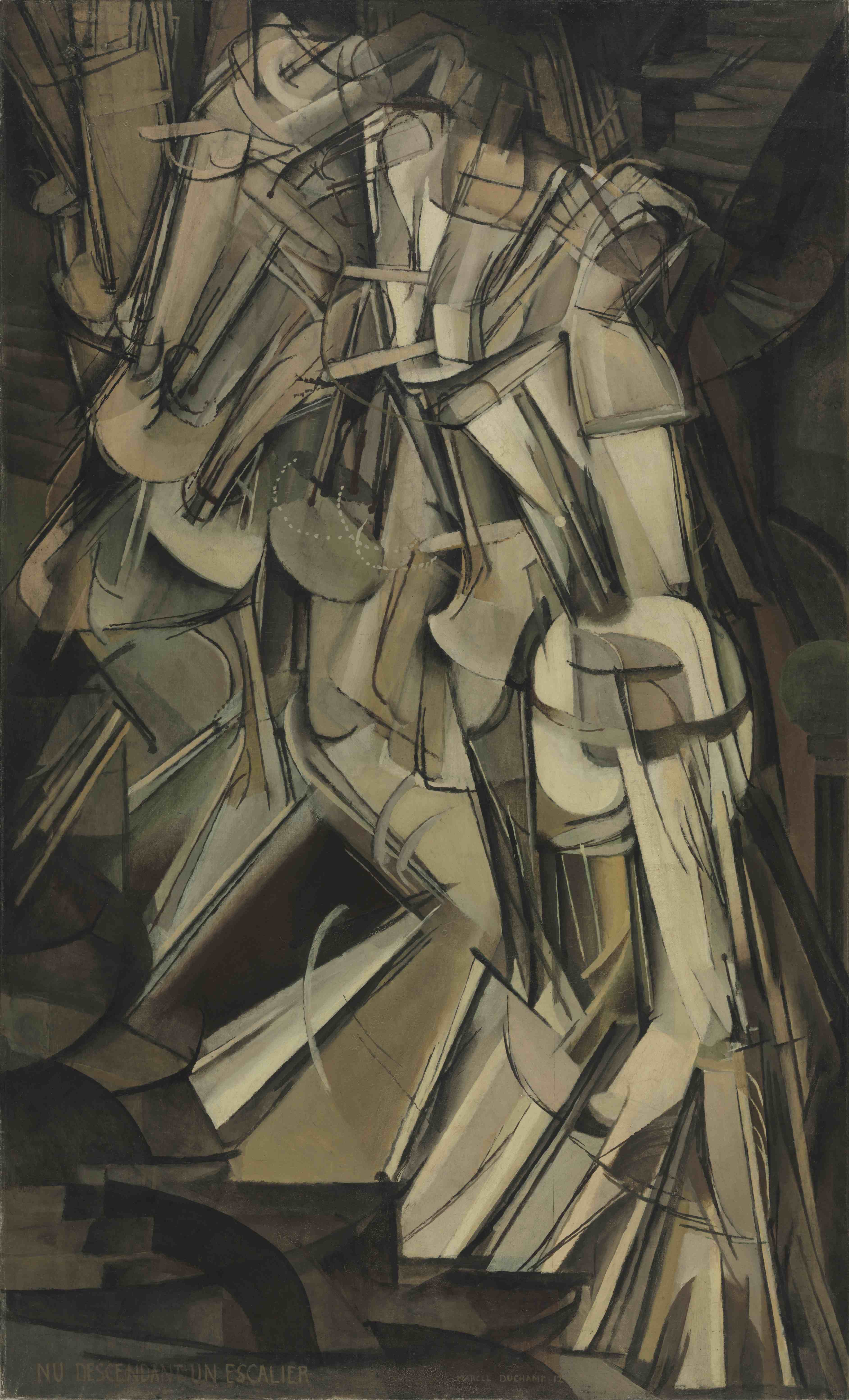
The journey MoMA proposes does not settle for lining up ready-mades. The exhibition traverses the entirety of Duchamp’s career, from the Cubo-Futurist canvases of the 1910s — that Nude Descending a Staircase which caused a scandal at the Armory Show in 1913 — to the most secret works, those no one was meant to see before his death. Etant donnes, the installation Duchamp built over twenty years in the absolute silence of his studio, revealed only in 1969, a year after he was gone. Twenty years of clandestine labour. Anti-spectacle taken to its most radical point.
Between the two, there is everything: the Large Glass, the boxes-in-a-valise, chess games elevated to the rank of artistic practice, feminine aliases, rotoreliefs, optical puns. Duchamp never stopped producing, even when he claimed to have quit. That may be his greatest work: making the world believe he was no longer doing anything.
The Ready-Made, or the Art of the Irreversible Choice
What strikes, reading the catalogue and the first accounts of the scenography, is the way MoMA has chosen to treat the ready-made not as a historical scandal but as a philosophy of gesture. Choosing an object, signing it, displacing it into the space of art: this is not a hoax. It is an act that commits the entire being. Duchamp did not choose his objects out of indifference — he chose them with a form of attention so acute it resembled indifference.
There is something profoundly familiar in this idea of a gesture that cannot be taken back. A urinal signed R. Mutt is like a stroke of India ink laid on paper: you do not erase it, you do not go back, you own the totality of what played out in the instant of the decision. The ready-made, at its core, is an art of irreversibility. Duchamp never “corrected” Fountain. He never added a glaze or polished the rim. The object is what it is, in the bare brutality of its designation. It is this same economy of gesture — this same refusal of repentance — that one finds in artists who work today in radical black and white, in ink that does not forgive, in acrylic laid down in a single pass on the canvas.
New York, Natural Playground
Duchamp lived in New York for decades. He played chess there with Man Ray, shared apartments with eccentric collectors, frequented the bars of Greenwich Village with a calculated nonchalance. The city suited him. Its vertical energy, its polite indifference to convention, its appetite for the new even when it takes the shape of a bottle rack. MoMA is not just any museum to host this retrospective: it is the very place where Alfred Barr, in the 1930s, began building the narrative of modern art as we know it. A narrative in which Duchamp holds the place of the permanent disruptor — the one you never know whether he is destroying the system or perfecting it.
Three hundred works is also a declaration of institutional power. MoMA is asserting that it can still be the place where art history is told on a grand scale, at a moment when museums are searching for their role in the face of dematerialised practices and fragmented audiences. Duchamp, paradoxically, is the perfect ambassador of this crisis: he spent his life questioning what it means to show art in a museum.
What Duchamp Still Asks of Us
The question this retrospective poses, when you get down to it, is simple: what have we done with the Duchamp legacy? Have we understood the gesture, or have we reduced it to a posture? The proliferation of conceptual art, post-internet art, even NFTs — all of it claims, more or less explicitly, descent from the ready-made. But Duchamp never turned the ready-made into a recipe. He made a choice, once, with surgical precision, and spent the rest of his life observing the consequences.
There is a lesson in that patience. In an art world running at the speed of fairs and Instagram stories, Duchamp reminds us that the most powerful gesture is sometimes the one made in silence, far from watching eyes, over twenty years, behind a locked door.
The exhibition opens April 12 at MoMA, 11 West 53rd Street, New York. If you do not go, at least read the catalogue. Duchamp would have approved: he always believed art happens as much in the viewer’s mind as on the museum walls.