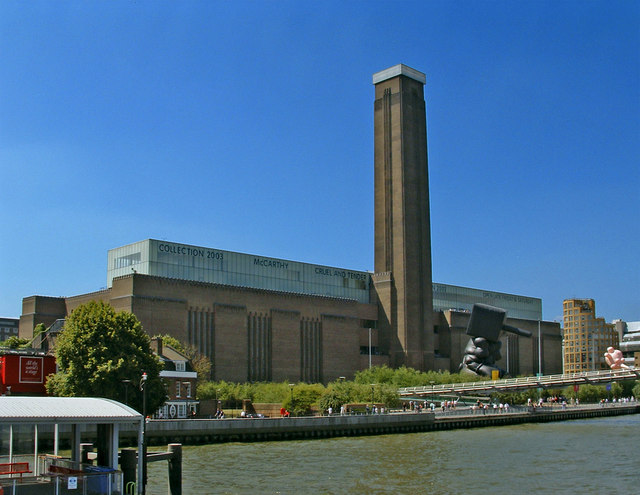
There are artists who disturb through their provocations. Others who seduce through their virtuosity. Tracey Emin does something more troubling: she tells the truth. A raw, unfiltered truth that transforms the studio into a confessional and the gallery into a mirror. The exhibition “A Second Life” at Tate Modern doesn’t merely celebrate forty years of creation. It reveals how a woman from Margate made her vulnerability into an aesthetic revolution.
Confession as Manifesto
From the first drawings of the 1980s, something strikes us: the complete absence of distance. Where other artists construct complex devices to speak of themselves, Emin dives directly into the heart of things. Her pencil drawings, often made on makeshift supports, crumpled papers, used envelopes, bear the trace of urgency. Not the urgency of romantic inspiration, but that of vital necessity.
This immediacy of gesture strangely recalls the irreversibility of India ink: once placed, the line can no longer be erased. For Emin, this impossibility of revision becomes an aesthetic principle. Each traced line fully engages the artist, as if drawing were a form of existential wager.
The exhibition reveals how these first confessional drawings already contained her entire universe: assumed sexuality, exposed fragility, anger transformed into poetry. Works that function as emotional snapshots, capturing the intensity of a moment before it escapes.
The Intimate Made Monumental
Emin’s genius lies in her ability to shift the intimate toward the universal without ever betraying its singularity. Her monumental installations of the 1990s, “Everyone I Have Ever Slept With 1963-1995” or “My Bed”, are not exercises in self-indulgent autobiography. They reveal how our most private experiences touch on shared truths: solitude, desire, loss, the search for love.
“My Bed”, this legendary installation, functions as a spatial paradox. An unmade bed, traces of intimate life exposed to view, transforming the gallery into a bedroom and the viewer into an involuntary voyeur. But this apparent transgression hides a rare generosity: by exposing her vulnerability, Emin allows everyone to recognize their own.
The strength of these installations lies in their raw materiality. Everyday objects diverted from their function, they bear the imprint of lived experience. As if Emin’s art consisted of revealing the hidden poetic charge in our ordinary existences, making epiphanies from our banalities.
The Line That Liberates
It’s in her recent drawings that Tracey Emin perhaps reaches her greatest maturity. The lines have softened, colors have invited themselves in, but the essential remains: this unique capacity to make drawing an act of liberation. Her female nudes, far from conventional canons, celebrate a sensuality freed from masculine codes.
These works dialogue with an ancient tradition, that of drawing as an exercise in truth. But where old masters sought the ideal, Emin claims imperfection. Her bodies are neither idealized nor caricatured: they are simply true, bearing the marks of time and experience.
There’s something in this approach to drawing that resonates with the art of the unfinished: these works draw their strength from what they don’t say completely, from their shadow zones that leave room for interpretation. Emin knows that artistic truth is found not in exhaustiveness but in the precision of the line.
The Studio as Existential Laboratory
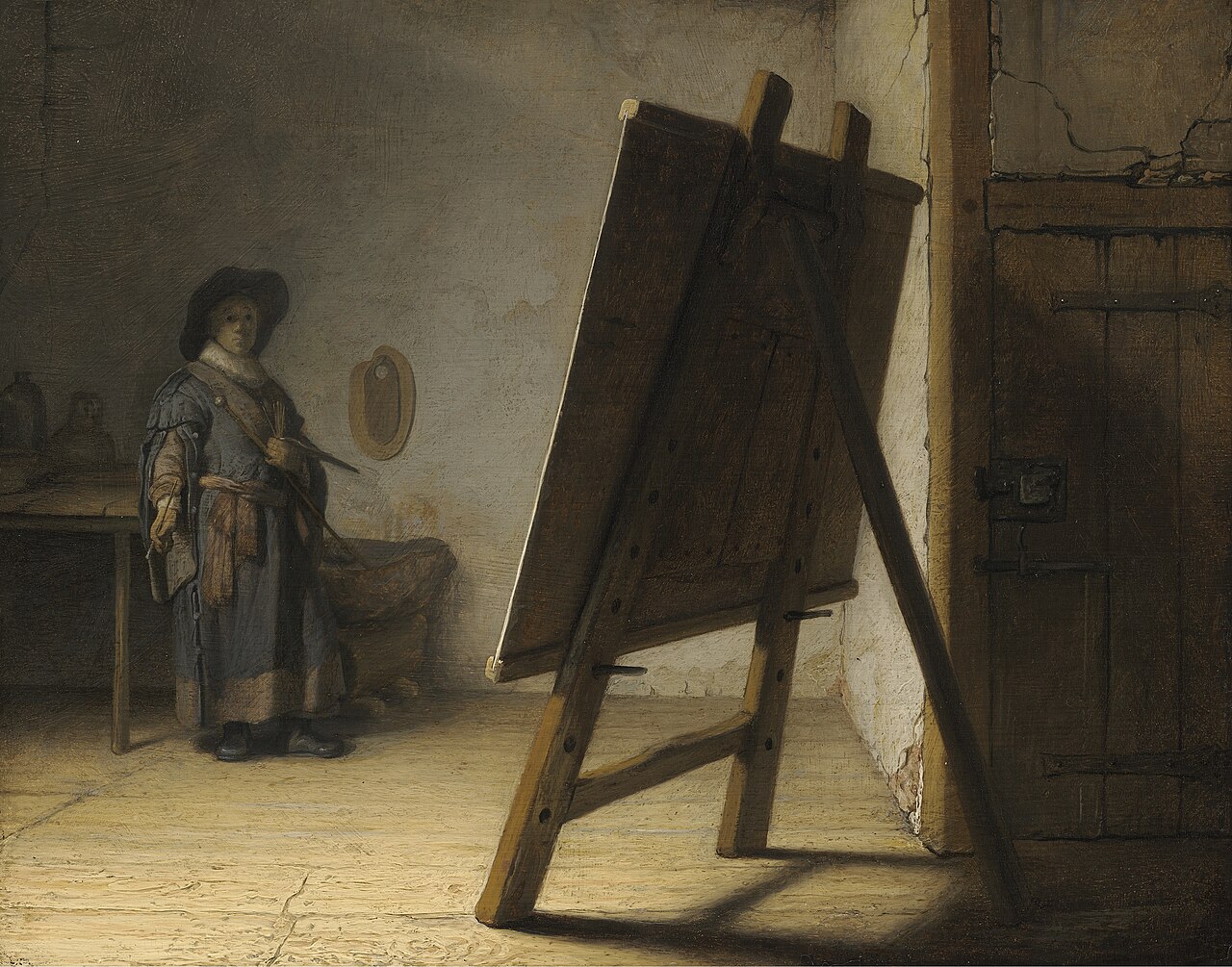
The exhibition also reveals the artist’s evolution in her relationship to the studio. The first works seemed to surge from chaos, created in urgency and precarity. Recent creations testify to acquired mastery, a peaceful relationship with creation without losing their emotional force.
This transformation of the studio into a space of existential research echoes a broader practice in contemporary art: one that refuses the separation between art and life. Emin doesn’t “make” art: she lives artistically, transforming each experience into potential creative material.
Her intimate notebooks, exhibited for the first time, reveal this permeability between creation and existence. Drawings, words, collages mix in a continuous flow where art becomes the privileged means of understanding one’s own life.
Truth as Revolution
Forty years after her first drawings, Tracey Emin has achieved a rare tour de force: making sincerity into an avant-garde. In an art world often accused of cynicism and calculation, she has maintained an authenticity that commands respect. Not through naivety, but through artistic courage.
Her influence on a generation of artists is undeniable: she opened the way for those who refuse ironic distance to fully embrace their emotions. She proved that one could be radical without being spectacular, revolutionary without being provocative.
The exhibition “A Second Life” doesn’t merely celebrate a career: it reveals how an artistic journey can become an initiatory path. Tracey Emin reminds us that art, beyond its aesthetic and commercial stakes, remains a formidable tool for self-knowledge. In a world saturated with artificial images, she continues to draw her truth. And this is perhaps her greatest work: having proven that authenticity remains the supreme transgression.