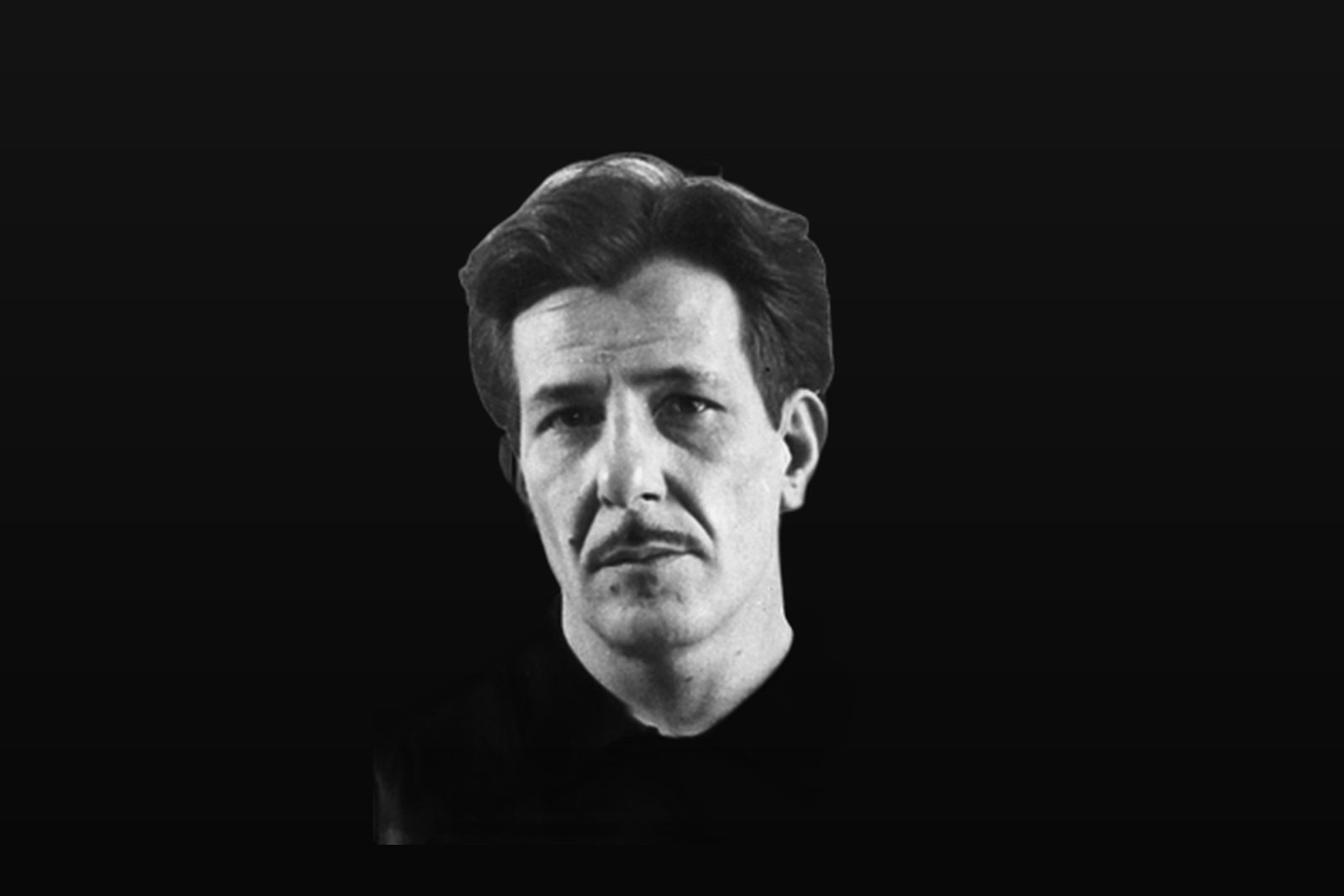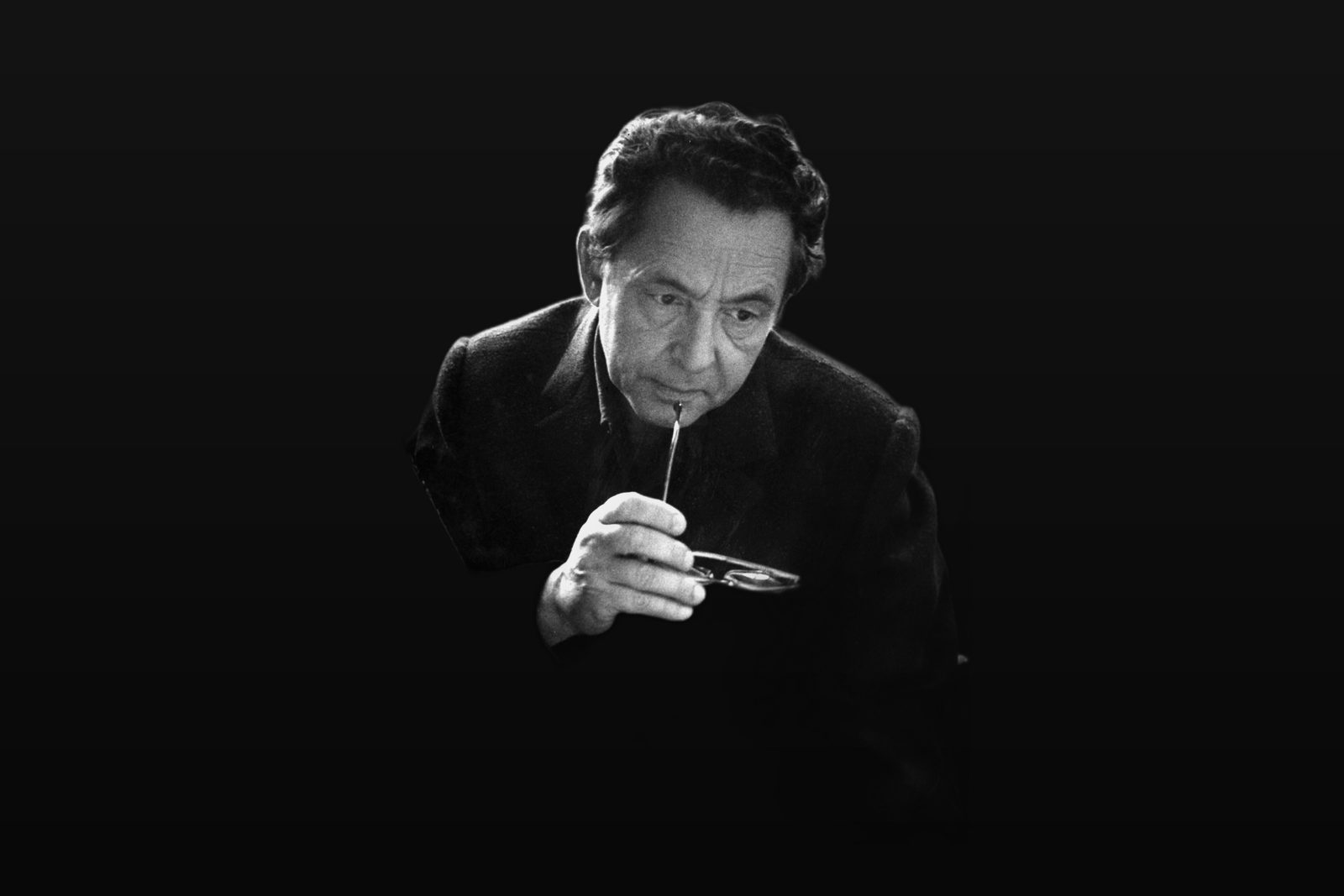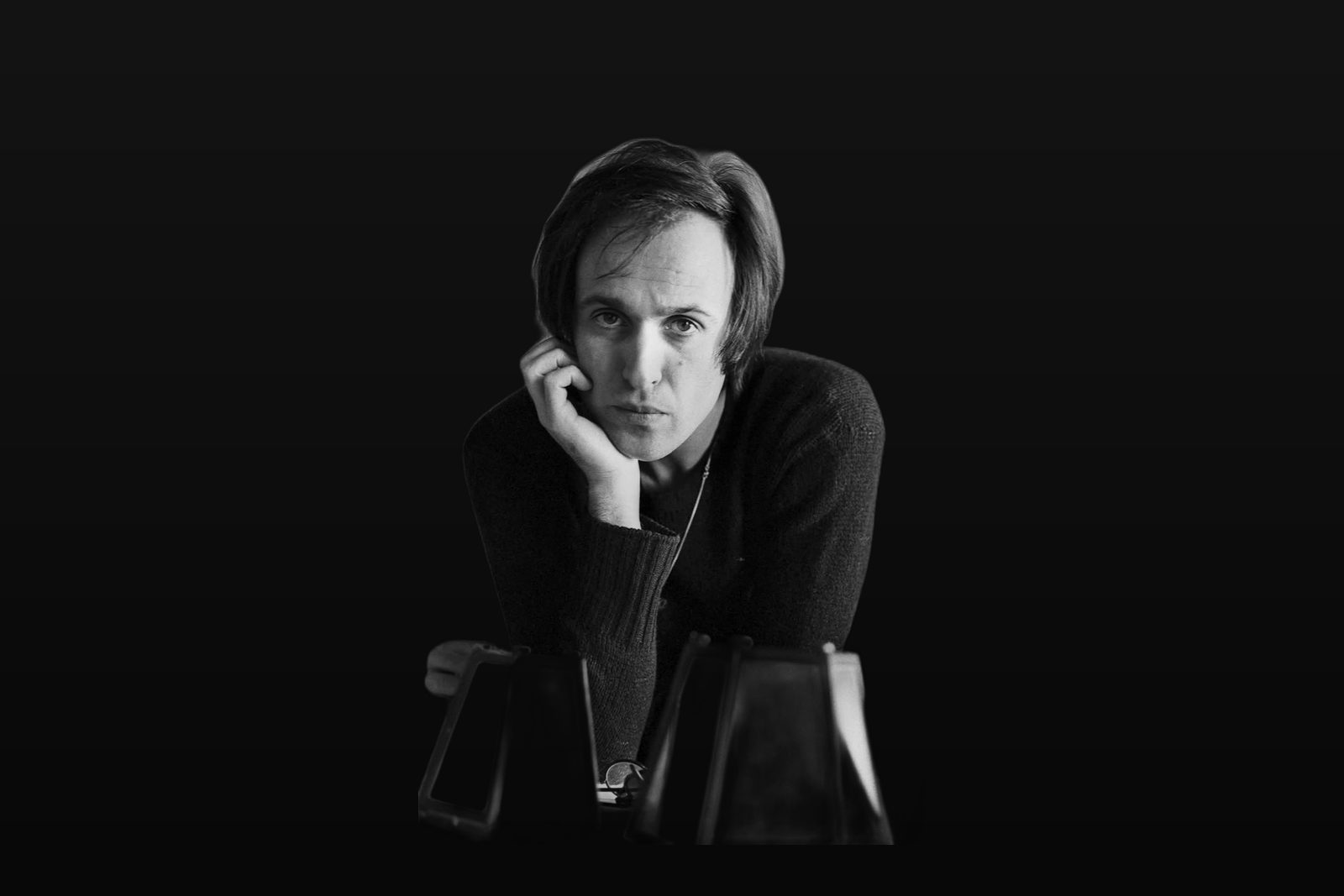
There are revolutions that unfold in the silence of Roman studios. While Andy Warhol was screen-printing his Campbell’s Soup in the New York Factory, Mario Schifano was hand-painting his Coca-Colas in his studio near Via del Babuino. Same iconography, radically different gesture. The free exhibition dedicated to him at the Palazzo delle Esposizioni reveals this other path of pop art, one that refuses mechanical reproduction in favor of an assumed gesture.
The difference lies in the trembling hand. Where Warhol smooths, Schifano scratches. Where the American repeats, the Italian varies.
The Screen as New Easel
Mario Schifano understands before anyone else that television will change our gaze. His Paesaggi TV from the 1960s don’t represent televised landscapes: they paint directly on the screen. The canvas literally becomes a cathode support, a surface where the phosphors of our emerging modernity scintillate.
These works disturb through their prescience. Fifty years before our smartphones, Schifano paints our future touch screens. He understands that art can no longer ignore electronic mediation, but refuses pure submission. His brush dialogues with technique, doesn’t submit to it. This is exactly the tension found in contemporary art facing the digital: resist without denying, compose without capitulating.
The exhibition at Palazzo delle Esposizioni presents these works in an intelligent scenography. The Paesaggi TV dialogue with real period televisions, creating a striking temporal echo. We then measure how right Schifano was: our screens have become our new landscapes.
Italian Gesture Against American Machine
Facing Warhol’s screen-prints, Schifano opposes a gestural pop art. His Coca-Colas preserve the brush’s trace, his Compagni keep the hand’s imprint. This difference is not anecdotal: it reveals two opposing conceptions of art in the industrial era.
America chooses technical reproducibility, Ford efficiency applied to art. Italy prefers artisanal resistance, the irreducible singularity of gesture. Even when painting mass iconography, Schifano maintains the work’s uniqueness. Each Coca-Cola differs, each logo varies, each repetition is actually a variation.
This approach resonates deeply with a certain conception of painting where the irreversible gesture takes precedence over premeditation. Schifano paints like one improvises: with the certainty that each stroke counts, that each error can become revelation. His impastos, his drippings, his visible pentimenti constitute as many marks of humanity in a world that’s automating itself.
The exhibition reveals this tactile dimension of his work. The works from the late 1960s show tormented surfaces, where pictorial matter struggles against advertising smoothness. Schifano paints consumer society with the tools of history painting, creating a fertile paradox.
Painted Cinema, Filmed Painting
Schifano’s specificity also lies in his relationship to cinema. Unlike American pop artists who draw inspiration from media imagery, he films his own paintings. His Film-paintings from the 1970s show the canvas being made, reveal the creative process usually hidden.
This approach anticipates our contemporary questions about art’s monstration. Schifano films not to document, but to create a new form of work. His 16mm cameras capture gestures, hesitations, accidents. Cinema thus becomes an extension of painting, not a simple reproduction.
The multimedia installation at Palazzo delle Esposizioni presents these films under optimal conditions. We see Schifano painting his Compagni, we witness the genesis of his Paesaggi anemici. This mise en abyme fascinates: the painter films himself painting images that themselves come from other images. Three levels of mediation that, paradoxically, reveal the immediacy of gesture.
Accident as Method
The last rooms of the exhibition reveal a darker Schifano, that of the 1980s. His Paesaggi anemici show a sick, polluted, disenchanted Italy. The early pop optimism gives way to a very Italian melancholy, the kind found in contemporary Italian tragicomic art.
But it’s also there that his technique reaches its greatest sophistication. Schifano develops a method of controlled accident. He lets paints flow, guides drippings, orchestrates chances. These works testify to a paradoxical mastery: the one that consists of programming the unpredictable.
This approach evokes certain contemporary research on the fertile accident in painting. Schifano proves that one can construct an aesthetic of the random, make a system of the unexpected. His last canvases vibrate with this tension between control and letting go.
The Mediterranean Heritage of an Alternative Modernity
The exhibition at Palazzo delle Esposizioni succeeds in its gamble: showing that pop art wasn’t an American monopoly. Mario Schifano invents a specifically Mediterranean modernity, which assumes contemporary iconography without renouncing the sensuality of gesture.
This lesson resonates beyond art history. At a time when digital uniformization threatens cultural specificities, Schifano reminds us that one can speak the language of one’s era while keeping one’s accent. His Roman Coca-Colas resemble no others, his painted televisions retain the warmth of the studio.
The exhibition ends with his last works, those where Schifano returns to large abstract formats. As if he had explored contemporary iconography only to rediscover the essential: painting facing itself. These final canvases, of sovereign freedom, prove that the pop experience was for him only a step toward more personal expression.
Mario Schifano would undoubtedly have approved: he always thought that art happened as much in the brush’s resistance as in the screen’s fascination.