There are evenings when the brush remains suspended in air, caught between intention and act. The work seems to watch me from the canvas, as if warning me: “Careful, what you’re about to do could destroy everything.” These moments of creative paralysis, I know them well. The India ink dries on the brush, the acrylic forms its film, and I remain there, petrified by this question that haunts every artist: when to stop?
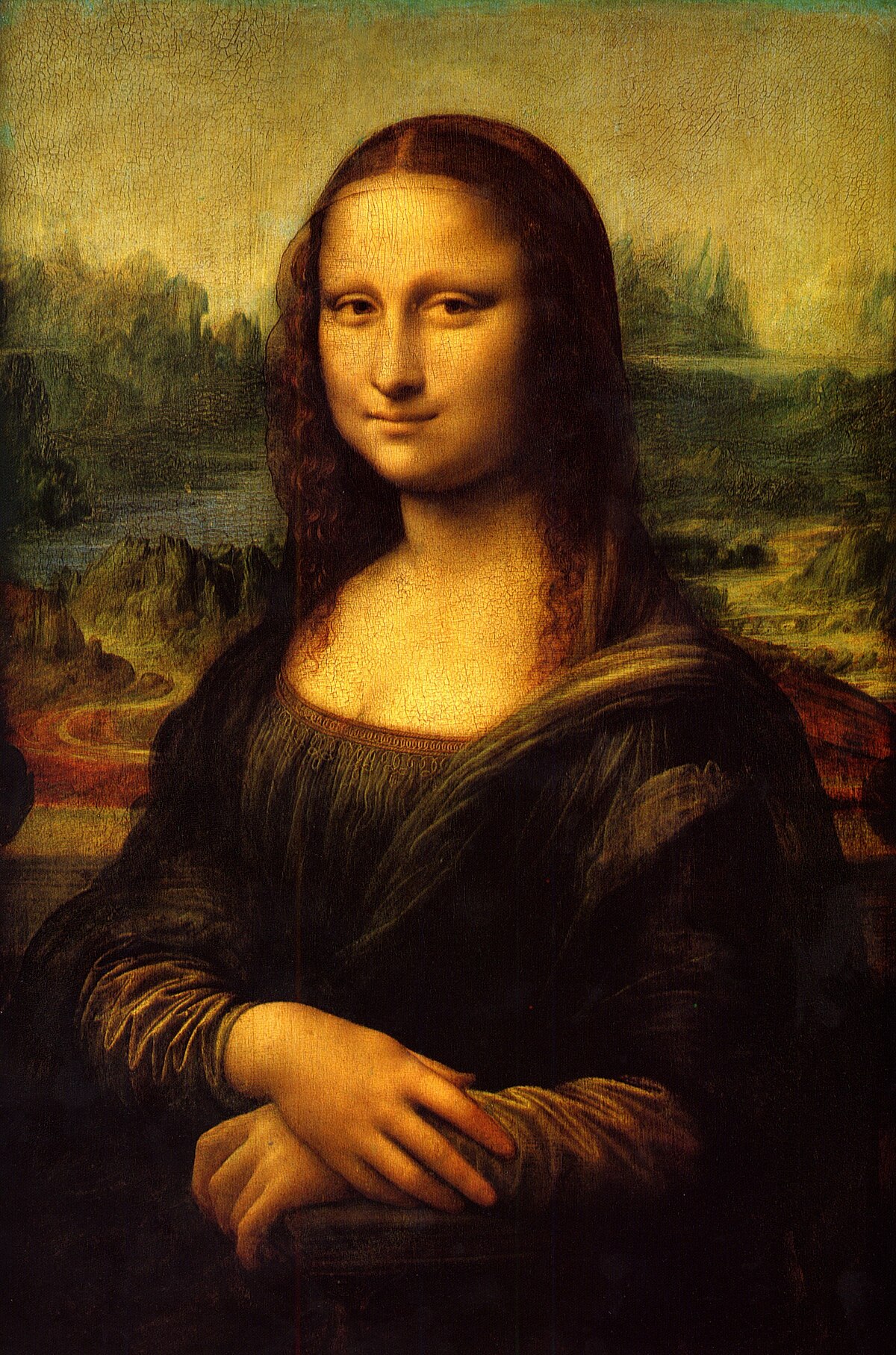
Leonardo never parted with his Mona Lisa. Fifteen years carrying it with him, returning to it, retouching it imperceptibly. They say he considered it unfinished. Perhaps he had simply understood that certain works live better in this state of suspension, in this perpetual promise they carry within themselves.
The Fear of One Gesture Too Many
What fascinates me is this muted terror that grips me when the work approaches its balance. The closer it gets to rightness, the more dangerous each new brushstroke becomes. As if I were walking on a wire, and the slightest misstep might precipitate me into the void of the ruined work.
India ink, my material of choice, forgives nothing. Each gesture is irreversible, definitive. This awareness of the irreparable multiplies the tension. I sometimes spend hours observing a work in progress, circling around it, trying to guess what it expects from me. Sometimes, I end up understanding that it expects nothing. That it is already complete in its apparent incompleteness.
Giacometti erased his sculptures as much as he built them. He spoke of this infinite race toward a truth that always fled. “I never finish,” he said. “I abandon.” This distinction has always struck me: we don’t complete, we abandon. The work could always go further, be more accurate, more true. But there comes a moment when we must accept letting it be.
The Unfinished as Power
There’s a particular force in the unfinished. An energy that continues to circulate, a breath that isn’t yet frozen. Michelangelo’s Slaves, imprisoned in their marble, possess a dramatic intensity that a perfectly polished sculpture might not have. The viewer participates in their liberation, imagines the gesture that would definitively free them from the stone.
In my own works, I’ve learned to recognize these zones of resistance, these places where the canvas seems to tell me: “No further.” It’s not laziness or indecision. It’s a form of creative wisdom, an ability to sense when the work has reached its optimal point of balance. Sometimes, this point arrives earlier than expected, and what was meant to be a sketch becomes the final work.
The radical black and white I practice amplifies this sensation even more. No possible repentance, no color nuance to catch an imbalance. Either the contrast works, or everything collapses. This economy of means forces me to surgical precision, but also to an acceptance of the unexpected, of the gesture that reveals a truth I hadn’t anticipated.
The Violence of Perfecting
Wanting to perfect is often to destroy. I’ve seen too many works die under their creator’s relentlessness. This obsession with detail that kills the whole, this search for finish that suffocates life. Perfecting can become a form of violence exercised against the work, a refusal to accept its profound nature.
Cézanne repainted his motifs to exhaustion, sometimes leaving the canvas blank where he couldn’t place the right color. These whites aren’t lacks, they’re breaths, spaces where the work continues to vibrate. He had understood that art doesn’t consist of filling the surface, but of creating fertile tensions between the said and the unsaid.
In my studio, when evening falls, when artificial light transforms the value relationships, I sometimes must forbid myself to continue. Get up, put down the brushes, accept that the work is there for today. This discipline of abandonment is perhaps the hardest to acquire. It demands a form of humility: recognizing that the work has its own logic, its own requirements, and that it knows better than I what it should become.
The Dialogue with the Unfinished
The suspended work becomes a particular dialogue partner. It watches me, questions me, challenges me. Each morning, entering the studio, I find it different. Daylight reveals aspects that night lighting hid. A balance I thought perfect proves precarious. A detail I wanted to add suddenly appears superfluous.
This silent conversation with the unfinished teaches me patience. Art isn’t practiced only in action, but also in waiting, in this capacity to let the work ripen, to grant it the time necessary to reveal its intentions. Sometimes this time is counted in days, sometimes in months. Certain canvases wait years before I understand what they were expecting from me.
The vertical format of my works, these 60x90 cm that impose their presence, amplifies this relationship even more. The unfinished work stands before me, neither submissive nor dominating, but in a relationship of equality that commands respect. It has its own dignity, independent of its apparent degree of completion.
The Art of Abandonment
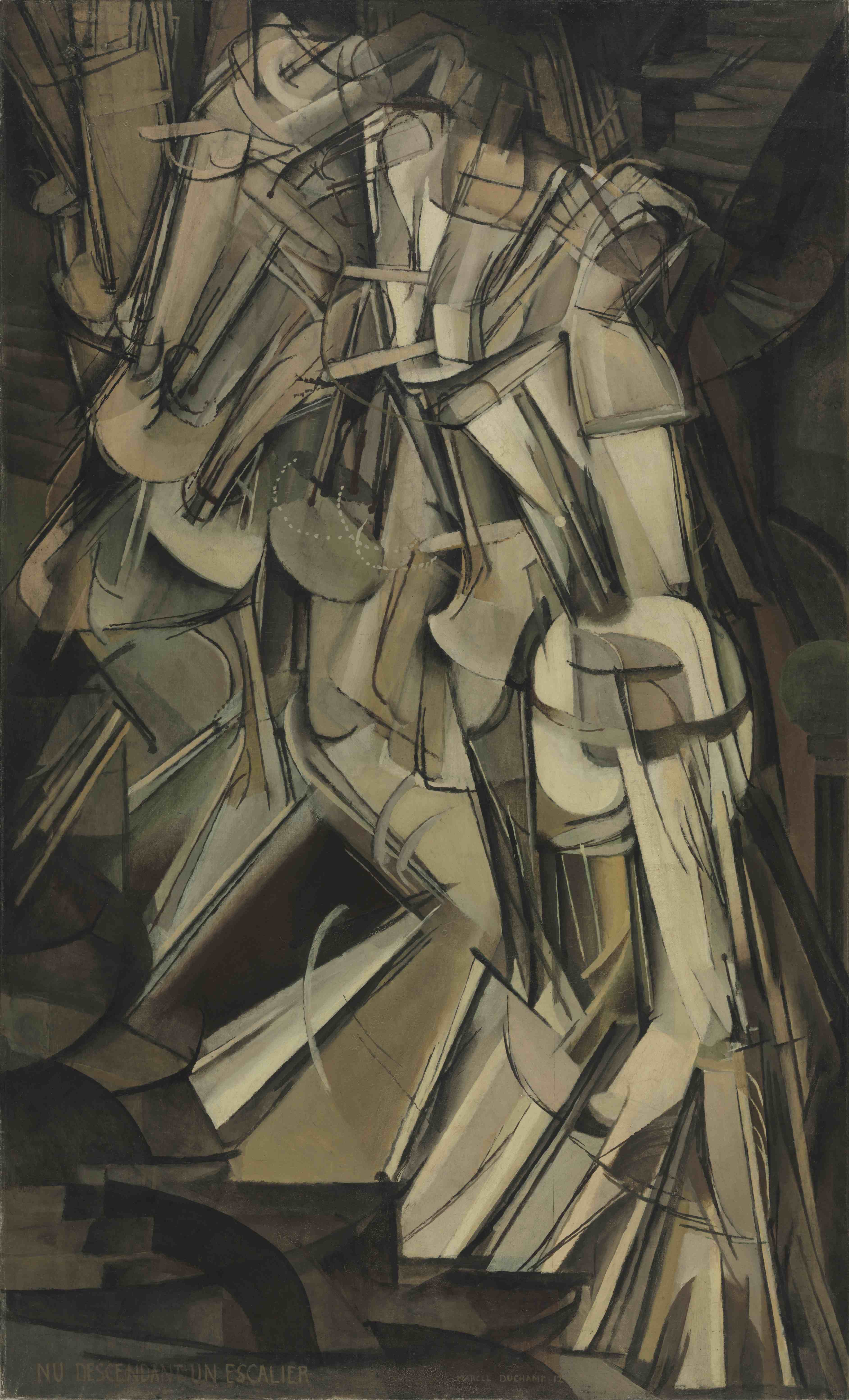
Abandoning a work means accepting that it has its own life, that it escapes my total control. It means recognizing that creation isn’t an act of domination, but a mysterious collaboration between conscious intention and the obscure forces that traverse the artistic gesture. Duchamp had understood this, he who affirmed that art happened as much in the viewer’s head as on the gallery walls.
In this acceptance of the unfinished, I paradoxically find a form of accomplishment. Not the accomplishment of technical mastery, but that of rightness. This ability to sense when the work has found its point of balance, even if this point defies conventional notions of traditional completion.
Suspended time isn’t lost time. It’s fertile time, where the work continues to labor in silence, where it refines its presence in the world. These moments of creative hesitation, far from being weaknesses, perhaps constitute the very heart of the artistic act: this capacity to remain listening to the nascent work, to respect its resistances, to accept that it sometimes knows better than we do what it should become.