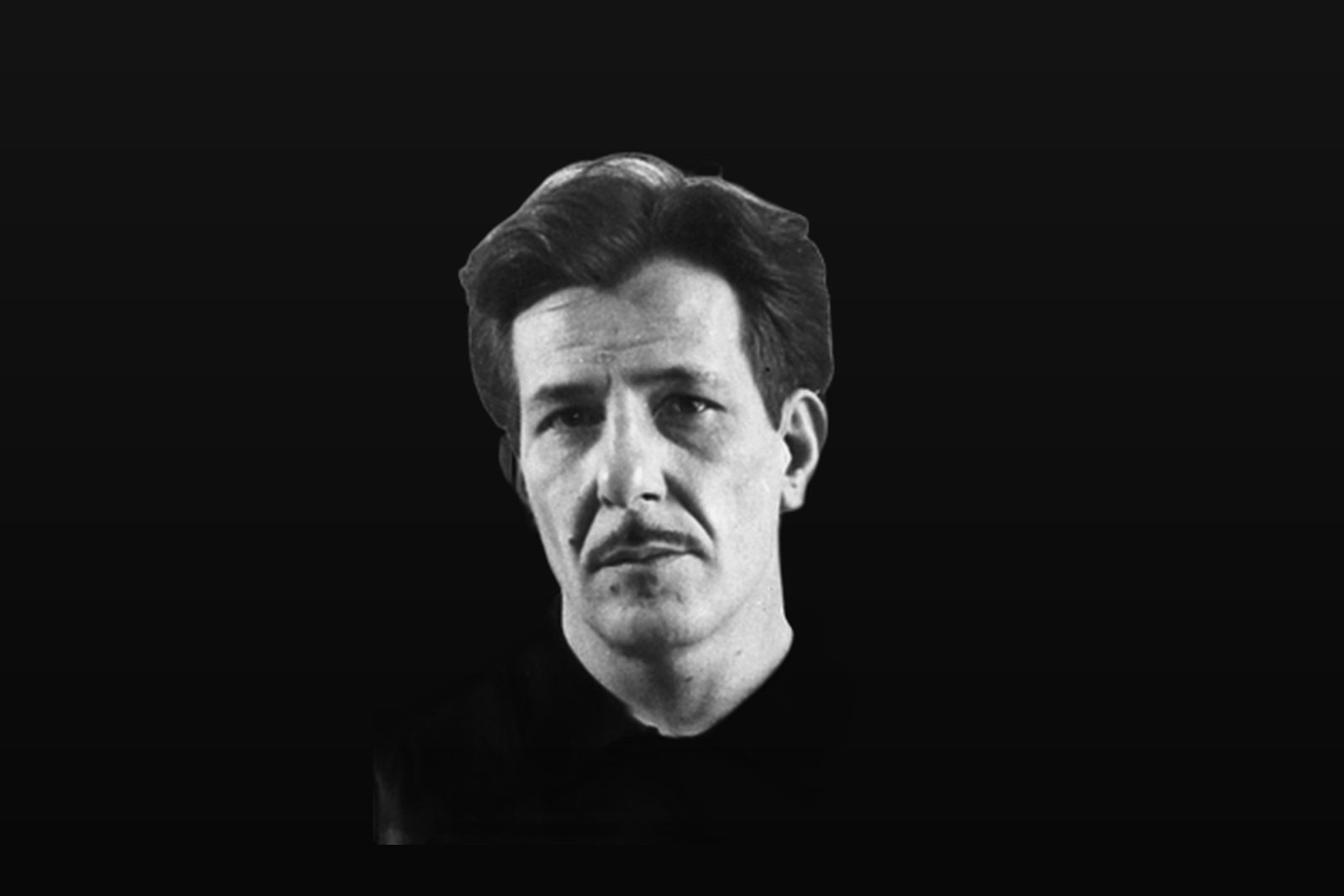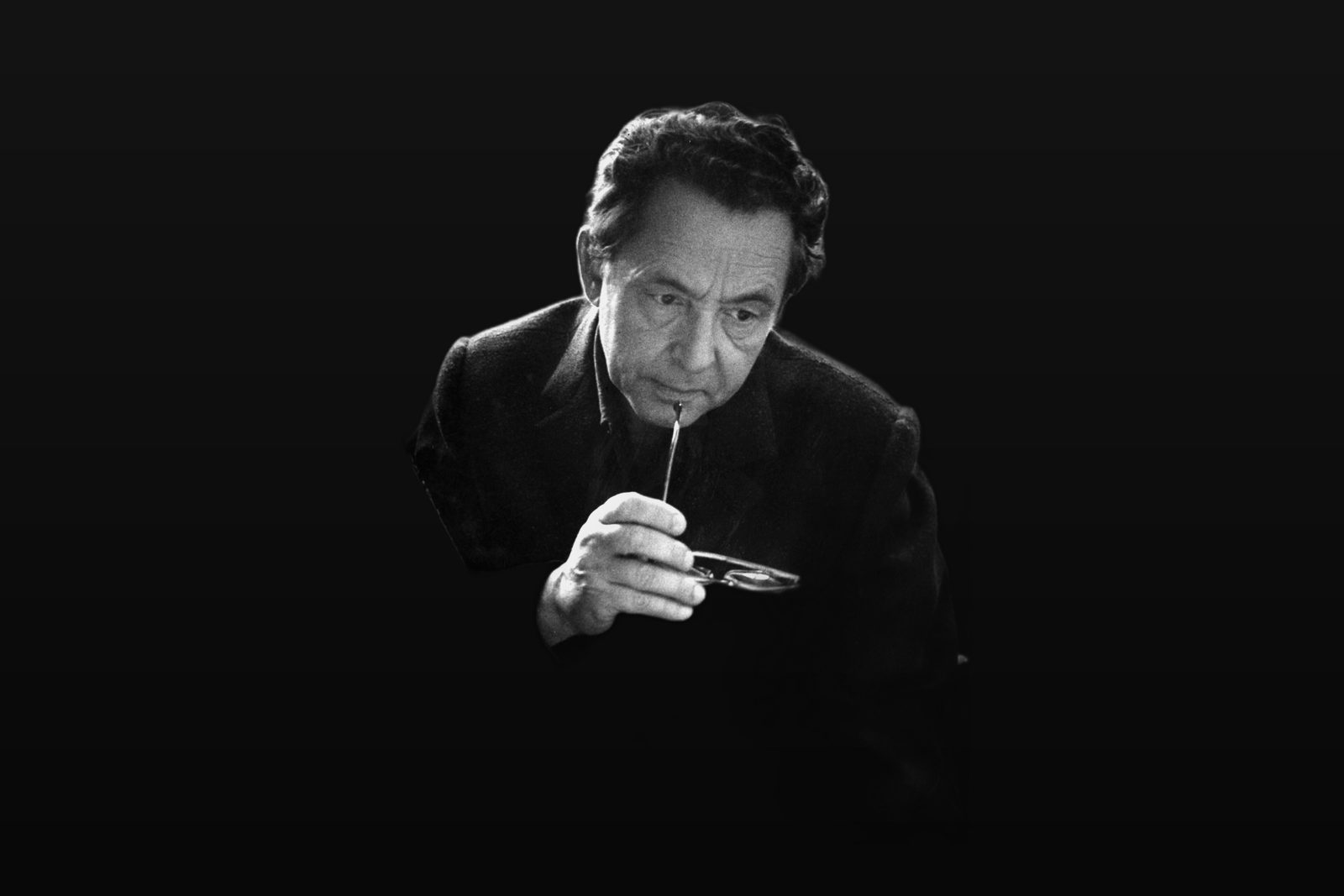
There are exhibitions that have the effect of a quiet revelation. Nigerian Modernism at the Tate Modern belongs to this rare category: it doesn’t shout, it shifts. Subtly but definitively. For here emerges, under London’s neon lights, another history of modernism. A history that was written simultaneously in Lagos, in Nsukka, in Zaria, while Paris and New York still believed they held the exclusive rights to the avant-garde.
The invention of a Nigerian modernity
The 1960s marked a turning point. Nigeria gained independence, and with it was born a generation of artists who refused the binary alternative: tradition versus modernity. Ben Enwonwu, the guiding figure of this movement, painted his Negritude with the same conviction that a Picasso seized African masks. But where Picasso collected, Enwonwu reinvented. This was no longer about cultural appropriation but about identity reappropriation.
The exhibition unfolds this subtle dialectic through nearly two hundred works. The canvases of Uche Okeke dialogue with the sculptures of Lamidi Fakeye, creating an unprecedented plastic language. Here, traditional Yoruba uli metamorphose into geometric abstractions. There, European figuration is tinted with Igbo cosmogony. Each work seems to respond to this fundamental question: how to be modern without ceasing to be oneself?
The answer takes shape in these fertile hybridizations. Demas Nwoko sculpts forms that borrow as much from ancestral masks as from the spatial research of the era. Nigerian art of these decades invented its own grammar, neither imitation nor rejection of the West, but the creation of an autonomous aesthetic territory.
The laboratories of creation
Zaria, a small town in northern Nigeria, became in the 1960s an artistic laboratory of rare intensity. The local art school developed a revolutionary philosophy: Natural Synthesis. This concept, theorized by Uche Okeke and his fellow students, advocated the organic fusion between traditional techniques and contemporary aspirations. No forced syncretism, but a natural alchemy.
The workshop then became a space of creative métissage. Artists experimented with àdìre – these indigo dyes that traverse centuries –, reinvented terracotta according to renewed plastic canons, diverted ụli – these feminine ritual paintings – towards easel art. This approach resonates strangely with my own practice: this search for an irreversible gesture, this tension between control and abandon that I know well facing my Indian ink canvases. The irreversibility of the gesture creates its own poetics, whether expressed in the streets of Lagos or in a Lyon studio.
When Lagos looks at Paris
The correspondence between Aina Onabolu and Parisian critics of the 1920s reveals a foundational misunderstanding. Paris sought exoticism, Lagos claimed universalism. This tension runs through the exhibition like a red thread. Ben Enwonwu’s self-portraits flatter no salon orientalism. They assert a presence, claim aesthetic equality of treatment.
This complex relationship with Europe can be read in the formal choices. Erhabor Emokpae painted his Benin Massacres with a chromatic violence that owes as much to German expressionism as to the tradition of Benin bronzes. Yusuf Grillo developed his compositions between cubist influence and Yoruba geometries. Each artist traced their own path in this intercultural dialogue.
The exhibition thus reveals how much Nigerian modernism was developed parallel to its Western counterpart. Not behind, not in imitation, but in a claimed contemporaneity. Lagos dialogued with Paris as an equal, each capital nourishing its own avant-garde.
The contemporary legacy
Today, the spiritual descendants of this founding generation are redrawing the map of global art. El Anatsui weaves his recycled metals as a nod to kente fabrics, Julie Mehretu inscribes African history in contemporary abstraction. The Tate exhibition connects these filiations, reveals the historical depth of an artistic scene too long marginalized.
This historiographical revision questions our own categories. What is modernism if we integrate Lagos, Dakar, Cairo into the equation? How to rethink the avant-gardes in light of this expanded geography? Nigerian Modernism doesn’t just fill a museum void: the exhibition redefines our very understanding of artistic modernity.
The lesson resonates beyond the gallery walls. In my own work, this quest for a personal language among multiple influences finds a particular echo here. The fertile accident that sometimes emerges on my canvases, this part of the unexpected that escapes control, isn’t it related to these creative hybridizations revealed by Nigerian art?
A plural modernity
Nigerian Modernism closes its doors leaving a fertile interrogation: what if modernism had always been plural? What if, behind the apparent hegemony of Paris and New York, other modernities had developed, equally legitimate, equally inventive? The Tate exhibition doesn’t just correct a historical oversight: it reveals the richness of a world artistic heritage still largely to be discovered.
This revelation transforms the gaze. It’s now impossible to think of modern art as a monolithic movement born in the West and exported elsewhere. Ben Enwonwu had sensed it as early as the 1940s: modern art would be born wherever artists dared to invent their own language. Lagos wasn’t waiting for Paris’s authorization to create. It was creating, quite simply, with that quiet evidence that characterizes true aesthetic revolutions.